


First Tattoo Appointment Guide for Beginners

Your first tattoo appointment usually feels equal parts exciting and nerve-racking. That is normal. A good first tattoo appointment guide should do more than tell you to show up on time - it should help you understand how the process really works, what choices matter most, and how to set yourself up for a piece you will still love years from now.
What to do before your first tattoo appointment
The biggest mistake first-time clients make is focusing only on the image and not enough on the artist, placement, and long-term fit. A tattoo is not a stock purchase. It is custom work placed on a living canvas that changes with movement, age, sunlight, and anatomy.
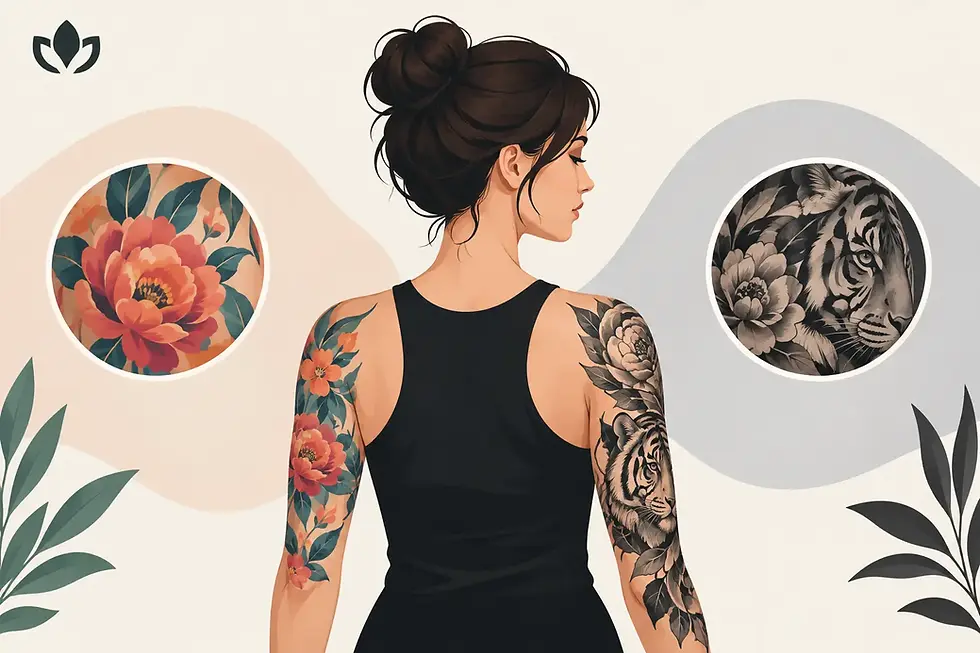
Start with the style. Fine line, black-and-gray, traditional, illustrative, realism, and lettering all ask for different technical strengths. If you love a certain look, find an artist whose portfolio proves they do that kind of work well, not just occasionally. A strong portfolio should show clean linework, solid saturation, readable healed results when available, and pieces that fit the body naturally.
Then get honest about your idea. You do not need to arrive with a perfect drawing, but you should know the direction. Is this piece symbolic, memorial, decorative, or part of a larger concept? Is it bold and visible, or more private? The clearer your intent, the easier it is for an artist to bring your vision to life without guessing.
Placement matters just as much as design. A small piece can look sharp on the forearm but disappear on the ribs. A detailed concept may need more room than you expected. Some placements age better, some hurt more, and some are harder to heal because of friction from clothing or constant movement. This is where professional guidance really matters.
How the consultation usually works
A solid consultation is less about selling and more about alignment. You bring the concept, references, preferred placement, and budget range. The artist helps shape that idea into something tattooable.
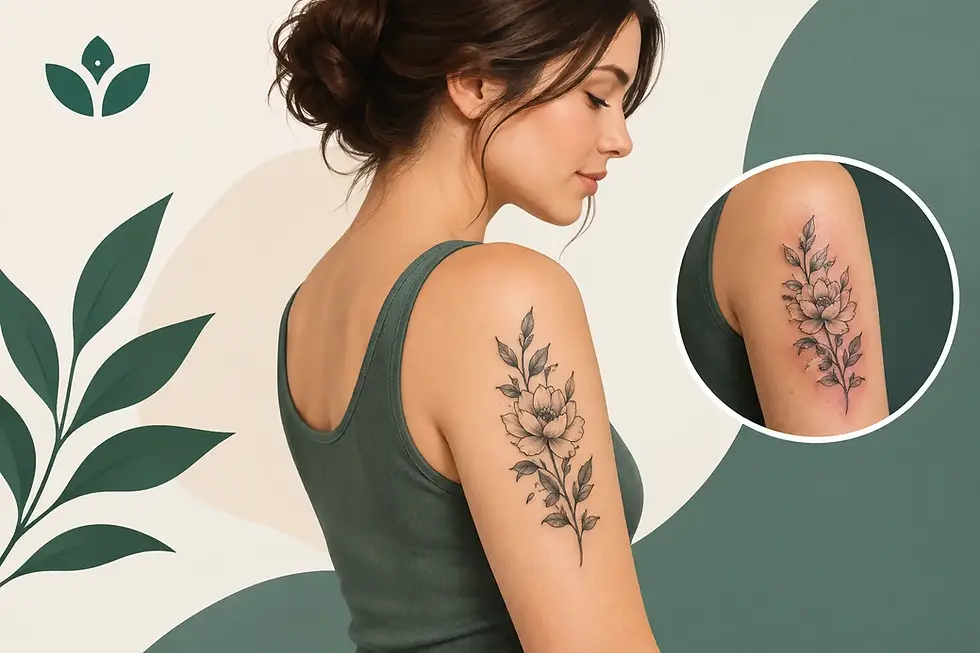
That last word matters. Not every image that looks good on a phone screen translates well into skin. Tiny details can blur over time. Low-contrast concepts may lose readability. Lettering that seems delicate at one inch may not heal cleanly. A skilled artist will adjust scale, contrast, line weight, and composition so the piece holds up.
You may also talk timing and pricing. Some tattoos are quick single-session pieces. Others need multiple appointments. In many studios, a deposit secures your booking and covers the artist's time drawing and planning. Deposits are common and reasonable because custom tattooing starts before the machine ever turns on.
If you are in the Roanoke area and looking for experienced, artist-led custom work, Skinwalker Studio is built around that kind of collaboration.
This first tattoo appointment guide starts with realistic expectations
You do not need to know everything before you walk in, but you should know what not to expect. Your artist is not there to rush through a transaction. They are there to create something personal, technically sound, and built for your body.
That means changes may happen. The stencil might be resized. The placement may shift an inch. Some details may be simplified for longevity. This is not your idea being ignored. It is your idea being translated by someone who understands how tattoos actually perform over time.
Pain is another area where expectations matter. Yes, tattoos hurt. The level depends on placement, your own tolerance, and the length of the session. Outer arms and thighs are often more manageable for first-timers than ribs, hands, feet, neck, or sternum. But pain is rarely the whole story. For most clients, the real challenge is sitting still, staying relaxed, and getting through the final stretch when the skin becomes more sensitive.
How to prepare the day before and day of
Preparation is simple, but it makes a difference. Get a good night's sleep. Eat a real meal before your appointment. Show up hydrated. Low blood sugar and dehydration can make you feel shaky, lightheaded, and far less comfortable during the session.
Wear clothes that make the tattoo area easy to access. If you are getting tattooed on your thigh, for example, choose something practical rather than something you will have to awkwardly adjust for hours. Comfort matters. So does modesty. A professional studio will help you feel respected and covered as much as possible, but wearing the right clothing makes the session smoother.
Skip alcohol before your appointment. Avoid showing up hungover. Be cautious with anything that thins your blood unless it is prescribed and medically necessary - in that case, talk with your doctor first and let the studio know if relevant. If you are sick, reschedule. No quality tattoo begins with trying to power through a fever or a bad cold.
Bring your ID, your payment method, and a calm mindset. Depending on the session length, a drink or small snack may help too. You do not need to overpack. You just need to show up ready.
What happens during the appointment
Once you arrive, there is usually paperwork, ID verification, and a review of the design. You will confirm the artwork, size, and placement before the stencil goes on. Take your time here. Look in the mirror. Move naturally. A tattoo should fit your body in motion, not just while standing stiffly for ten seconds.
When the tattoo starts, the first few minutes are often the sharpest simply because the sensation is new. Most people settle in once they know what it feels like. Communicate if you need a brief break, but trust the process too. Constant stopping can make a short appointment feel much longer.
You do not need to perform toughness. A first tattoo is a new physical experience, and everyone handles it differently. Some clients chat through the whole session. Others go quiet and focus. Both are fine. What matters is staying respectful, listening to your artist's instructions, and speaking up if something feels off.
Pricing, tipping, and value
A first tattoo often teaches people the difference between cheap and worth it. Custom tattooing is skilled, detail-heavy work. You are paying for design ability, technical execution, hygiene standards, experience, and artistic judgment.
Pricing depends on size, placement, complexity, artist demand, and session length. Tiny tattoos are not always inexpensive if they require precision. Larger pieces are not automatically better value if the concept is poorly planned. The best approach is to think in terms of outcome rather than bargain hunting. You are wearing this work for a long time.
Tipping is common in the tattoo industry, especially when the experience is strong and the work is handled with care. Exact amounts vary, but appreciation for professionalism and artistry is always noticed.
Healing is part of the tattoo
A clean tattoo can heal badly if aftercare is sloppy. That is why any worthwhile first tattoo appointment guide has to talk about healing as seriously as booking.
Your artist will give you aftercare instructions, and those directions should be your baseline. In general, keep the tattoo clean, avoid soaking it, and do not pick at peeling skin. Healing is rarely glamorous. Fresh tattoos can feel warm, look extra bright, then settle, flake, and itch before they calm down.
This stage is where patience wins. Too much ointment can be just as unhelpful as too little care. Tight clothing, gym friction, sun exposure, swimming, and scratching can all interfere with healing. The goal is simple - protect the work while your skin does its job.
If something looks truly unusual, like spreading redness, severe swelling, or signs of infection, contact a medical professional. Normal healing has a range. Ignoring obvious problems is never the move.
Common first-timer worries
Many first-time clients worry they will choose the wrong design, react badly to the pain, or ask a dumb question. The truth is, good studios hear these concerns all the time. Questions are part of the process.
If you are unsure between two ideas, say so. If your budget is limited, bring it up early. If you want something small but readable for the long haul, ask what size actually makes sense. The strongest tattoo experiences are built on clear communication, not guessing.
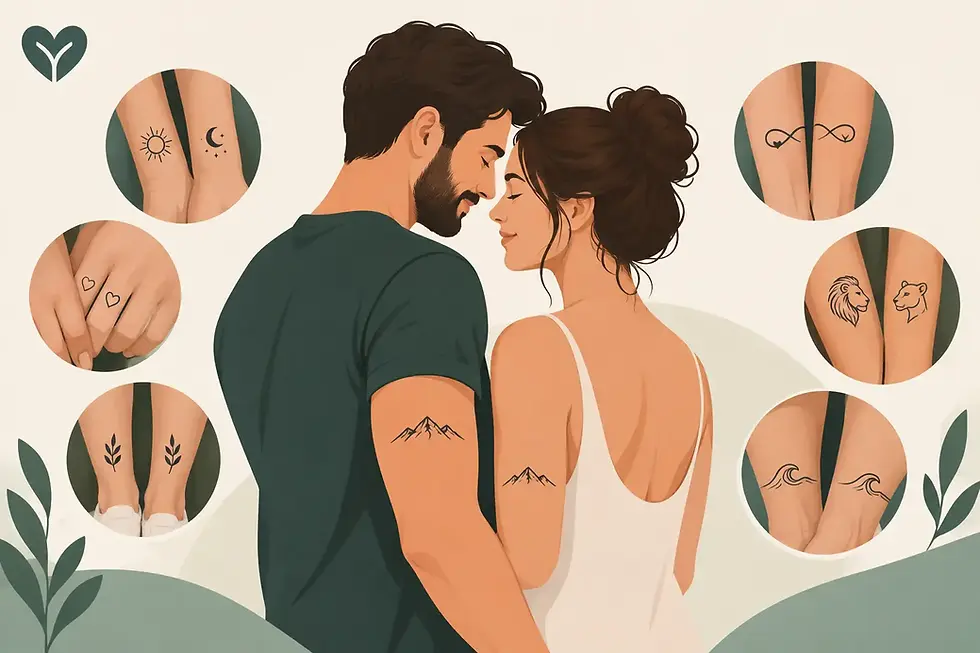
It also helps to let go of the idea that your first tattoo has to carry the full weight of your identity. Some tattoos are deeply personal. Some are aesthetic. Some become meaningful because of when you got them and who created them with you. All of that is valid.
A first tattoo appointment guide for choosing well
If there is one thing worth remembering, it is this: your first tattoo is not just about getting through the appointment. It is about choosing an artist and a process that respect the permanence of the work.
Look for craftsmanship. Look for honesty. Look for someone who can take your idea, refine it, and create something truly special instead of simply tracing a trend. The right appointment feels professional, collaborative, and clear from start to finish.
Walk in fed, rested, and open to expert input. Walk out with aftercare instructions you actually follow. And give the whole experience the respect it deserves - because the best tattoos do more than mark a moment. They become part of how you carry your story.
Comments