

Custom Tattoos Design That Actually Fits You

A great tattoo starts before the stencil ever touches skin. Custom tattoos design is the difference between wearing a trend and wearing something that feels like it belongs to you. If you have a concept, a memory, a mood, or even just a rough visual direction, the real work is turning that into a piece that reads well on the body and still holds up years from now.
That’s where experience matters. A custom piece is not just about drawing something cool. It has to fit your anatomy, suit your style, and make sense at the size and placement you want. The best results come from collaboration - your vision, guided by an artist who knows how tattoos actually age, heal, and flow.
What custom tattoos design really means
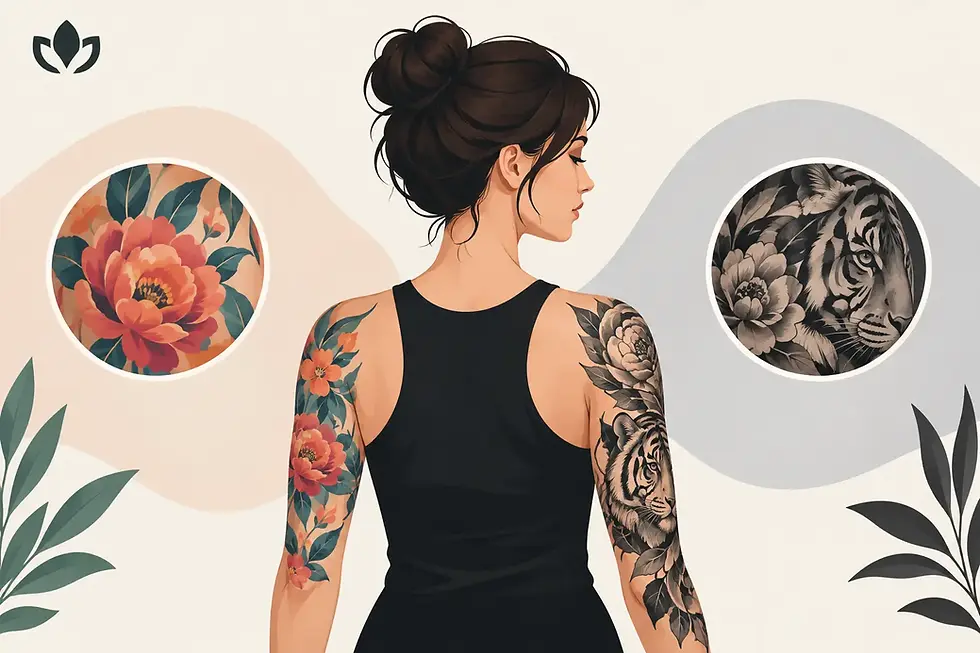
People use the phrase in a lot of ways, and that can create confusion. Sometimes they mean a tattoo that is fully original from scratch. Sometimes they mean a personalized version of an existing style, like black-and-gray realism, fine line florals, script, illustrative work, or bold traditional-inspired imagery. Both can be custom, but the process is different.
True custom tattoos design is built around the individual client. That might mean incorporating a loved one’s handwriting, reworking several reference ideas into one cohesive composition, or creating a piece that follows the structure of the shoulder, forearm, calf, ribs, or back in a way a flat image never could. It is less about picking a picture and more about building a tattoo with intention.
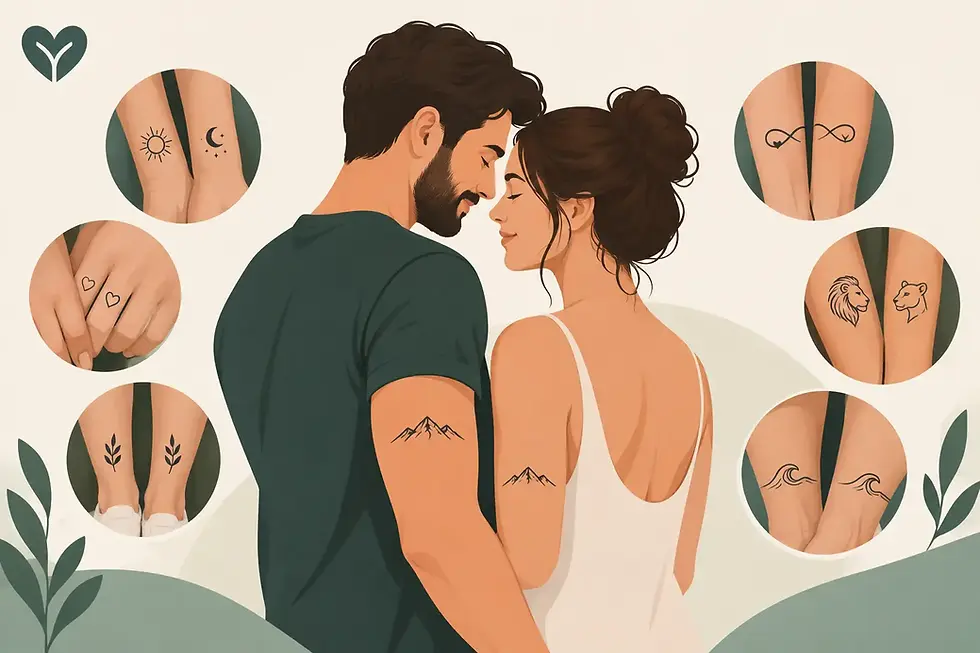
That also means custom does not always mean complicated. Some of the strongest tattoos are simple, clean, and highly personal. A custom design can be a large-scale sleeve or a small symbolic piece. The key is that it is made for you, not pulled off a wall and repeated without thought.
Why body placement changes the design
This is one of the biggest things clients underestimate. A design that looks balanced on a phone screen can feel awkward once it wraps around a forearm or lands across the curve of a shoulder cap. Skin is not a sheet of paper. It bends, stretches, and moves.
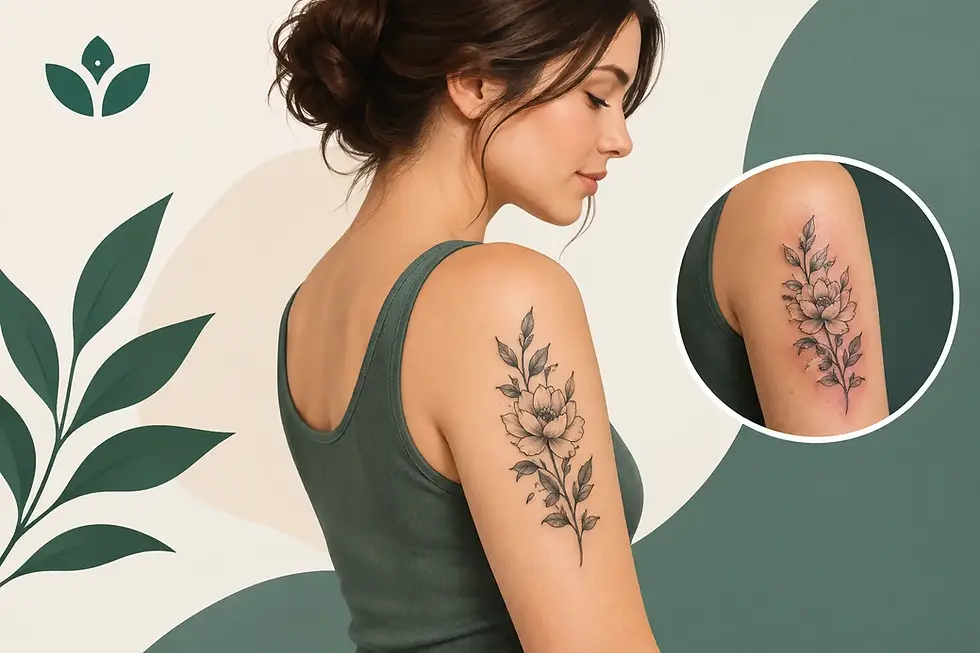
Good custom tattoos design accounts for that from the beginning. On arms and legs, flow matters. On the chest or back, symmetry might matter more, depending on the concept. On smaller placements like the wrist or ankle, detail has to be simplified so the tattoo stays readable over time. If the design is too crowded, it can soften into a blur as it ages.
This is also where scale becomes a real conversation. Clients sometimes want a highly detailed idea in a very small area. Sometimes that can be adjusted. Sometimes the better answer is to either go larger or simplify the design. That is not an artist shutting down your vision. It is an artist protecting the final result.
The best starting point is not always a perfect idea
A lot of people delay booking because they think they need the full design figured out in advance. You do not need to show up with a finished drawing. In fact, many clients get stronger work when they bring the meaning, the visual references, and the general direction, then let the artist build from there.
A useful starting point usually includes a few things. What subject matter do you want? What styles are you drawn to? Do you want something bold, subtle, dark, elegant, aggressive, organic, memorial, or abstract? Where do you want it? How large are you willing to go? Those answers give an artist much more to work with than a vague request to make it unique.
Reference images help too, but they work best when they show taste rather than something you expect copied exactly. Maybe you like the texture in one piece, the composition in another, and the contrast in a third. That gives the artist room to create something original instead of forcing a direct imitation that may not suit your body or your long-term goals.
Custom tattoos design should match the artist’s strengths
Not every artist builds every kind of tattoo equally well. That is not a flaw. It is how strong studios work. One artist may excel at black-and-gray realism. Another may be stronger in illustrative storytelling, clean linework, or multi-style composition. The smartest move is not finding someone who says yes to everything. It is finding someone whose portfolio already shows the kind of tattoo you want done at a high level.
This matters even more with custom work because style shapes the entire design process. A memorial portrait calls for different technical decisions than a Japanese-inspired sleeve. A fine line botanical piece asks for different handling than a high-contrast black-and-gray concept. When the artist’s natural strengths line up with your idea, the design gets better fast.
That is why portfolio review matters more than sales language. Look for healed work, consistency, clean execution, and pieces that fit the client well. Awards and experience can reinforce trust, but the portfolio tells you whether the work actually speaks your language.
What makes a custom tattoo strong, not just original
Originality alone is not enough. A custom tattoo can be one of a kind and still be poorly designed. Strong design comes from balance, readability, contrast, and movement.
Readability is huge. Can the tattoo be understood from a normal viewing distance, or does it only make sense when someone is inches away? Contrast matters too. A tattoo with no visual hierarchy can feel muddy, especially after healing. In black-and-gray work, value shifts create depth. In color work, the relationship between tones affects whether the piece feels vibrant or flat.
Movement is another factor people feel before they can describe it. A good tattoo leads the eye. It works with the body instead of fighting it. That is especially important for larger work like half sleeves, full sleeves, back pieces, and leg projects. The strongest pieces look like they belong exactly where they are.
And then there is restraint. Sometimes the best design choice is leaving something out. Trying to include every symbol, every date, every quote, and every visual reference can weaken the piece. A tattoo usually gets stronger when the core idea is sharpened.
The consultation is where the design gets real
A solid consultation should leave you feeling more informed, not more confused. This is where ideas get tested against real-world factors like placement, size, style, session length, healing, and budget. It is also where trust gets built.
If an artist pushes back on part of your concept, pay attention to why. Sometimes a requested detail will not age well. Sometimes the placement does not support the composition. Sometimes the issue is that the design needs room to breathe. Good feedback is part of the custom process.
At a studio like Skinwalker Studio, that artist-led conversation is exactly what helps bring your vision to life. The goal is not to force your idea into a template. It is to shape it into a tattoo that looks strong on day one and still looks strong years later.
This is also the time to talk honestly about pain tolerance, scheduling, and cost. A larger custom project may take multiple sessions. A more intricate piece may cost more because it demands more design and execution time. Payment flexibility can make bigger work more accessible, but the design should still be approached with patience rather than rushed decision-making.
When to keep it simple and when to go bigger
There is no universal right answer here. It depends on the concept and your priorities. If the tattoo is symbolic and minimal, smaller can work beautifully. If the design depends on texture, realism, layered imagery, or multiple focal points, going larger usually gives the tattoo the space it needs.
This is where honest guidance matters. A client might come in wanting a small forearm tattoo with portrait-level detail and ornamental framing. On paper, that sounds exciting. On skin, it may end up too cramped. A better path might be enlarging the piece, changing the placement, or simplifying the concept so it stays clean.
Bigger is not automatically better. But enough space is usually better. The right size is the one that lets the tattoo breathe, read clearly, and age with dignity.
The goal is a tattoo that still feels right later
The best custom tattoos design is not just impressive in the moment. It keeps feeling personal after the excitement of appointment day wears off. That usually comes from a mix of strong artistic execution and a concept with real staying power.
Trends are not the enemy. Some are fun and genuinely stylish. But if your idea is built only around what is popular right now, it is worth slowing down and asking whether it still feels like you without the trend attached. Personal tattoos do not have to be serious, but they should feel intentional.
If you are considering custom work, come in with openness, not perfection. Bring the meaning, the visual direction, and the willingness to collaborate. A skilled artist can turn that into something far better than a copied image - a tattoo built for your body, your style, and your story.
The right custom piece does more than fill space. It becomes part of how you carry yourself, which is exactly why it deserves real design time.
Comments