

Custom Tattoo Designs in Roanoke, Virginia

A tattoo idea can start with something small: a photograph tucked away for years, a phrase that stayed with you, a symbol that marks a turning point, or simply an image you cannot stop thinking about. The search for “custom tattoo designs Roanoke Virginia” is really a search for an artist who can take that starting point and turn it into permanent artwork that feels like yours.
A custom tattoo is not about picking a stock image off a wall and hoping it fits. It is a collaborative piece of art built around your story, your placement, your skin, and the style that speaks to you. The strongest designs leave room for both your vision and the artist’s technical experience.
What Makes a Tattoo Design Truly Custom?
Custom work begins with a conversation, not a stencil. Your artist needs to understand what the tattoo means to you, what visual details matter most, where you want it placed, and how large you are open to making it. A clear idea is helpful, but you do not need a finished drawing before you book a consultation.
In fact, bringing a fully formed design can sometimes limit the process. Reference images are useful for communicating mood, subject matter, composition, and style, but they should be a starting point rather than a copy request. A capable tattoo artist will identify what you respond to in those references, then create an original piece that works specifically as a tattoo.
That distinction matters. Artwork that looks great on a phone screen may not read well at a small scale, wrap naturally around an arm, or hold clean detail over time. Tattoo design requires decisions about line weight, contrast, negative space, and flow that are easy to overlook when you are focused only on the image itself.
Your story sets the direction
Meaning does not have to be obvious to everyone who sees your tattoo. A memorial piece might use a favorite flower, a place, handwriting, or an object tied to a loved one instead of a portrait. A tattoo celebrating a child, recovery, military service, faith, or a personal milestone can be subtle, bold, literal, or abstract.
The goal is not to force a meaning into a predictable image. It is to find visual language that resonates with your individuality. During a consultation, the details you share help an artist move beyond generic symbols and build something with personal weight.
Style changes the entire design
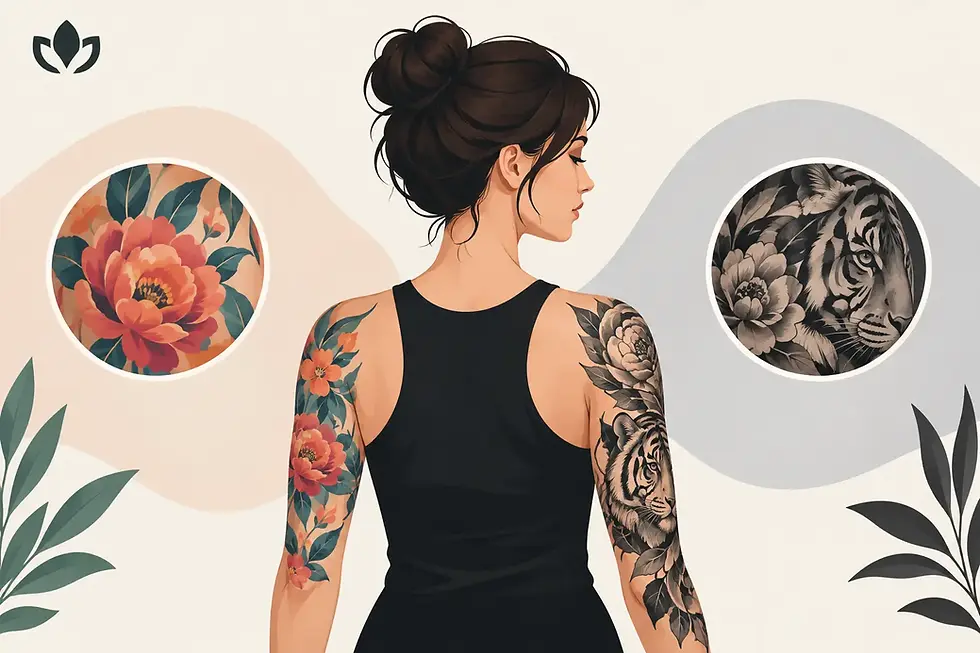
The same subject can become completely different tattoos depending on the style. A raven can be dramatic black-and-gray realism, fine-line and restrained, darkly illustrative, traditional, geometric, or highly detailed with an atmospheric background. None of those approaches is automatically better. The right choice depends on what you want to wear for years.
Black-and-gray work can create depth, texture, and a timeless mood, especially for portraits, wildlife, religious imagery, and memorial pieces. Color can bring energy and contrast, but it requires thoughtful planning around palette, placement, and how you want the tattoo to age. Detailed multi-style work may combine illustrative elements, lettering, realism, or ornamental patterns when the concept calls for it.
A good artist will be direct about what fits their strengths. Review portfolios closely, not just one standout image. Look for consistency in healed work when available, clean linework, smooth shading, readable designs, and examples that resemble the style and scale you want.
The Design Process for Custom Tattoo Designs in Roanoke, Virginia
The best custom tattoo process balances preparation with flexibility. You should arrive with enough direction to explain your idea, while leaving room for the artist to solve the visual and technical challenges.
Start by gathering a few references. These can include photos, pieces of art, tattoos you admire for their style, color palettes, or examples of placement. It also helps to write down the elements you consider non-negotiable. Maybe a specific date must be included, a certain flower matters, or you want the design to feel quiet rather than loud.
Then separate those must-haves from preferences. If every reference contains a different style, an artist needs to know which part matters most. Is it the subject? The level of detail? The dark contrast? The soft, delicate feel? Being specific about those priorities gives the design a stronger foundation.
Placement is part of the artwork
Placement is not an afterthought. A tattoo should work with your body rather than sit on it like a sticker. A design for the outer forearm needs a different composition than one for the shoulder cap, calf, ribcage, or thigh. Curved areas may call for movement and flow, while flatter areas can support more symmetrical designs.
Visibility also deserves an honest conversation. Hands, fingers, necks, and faces are highly exposed, often experience more wear, and may affect work or personal situations. Small tattoos in high-friction areas can fade or blur more quickly than work on the upper arm or thigh. That does not mean those placements are wrong. It means they require realistic expectations and, sometimes, a bolder or simpler design.
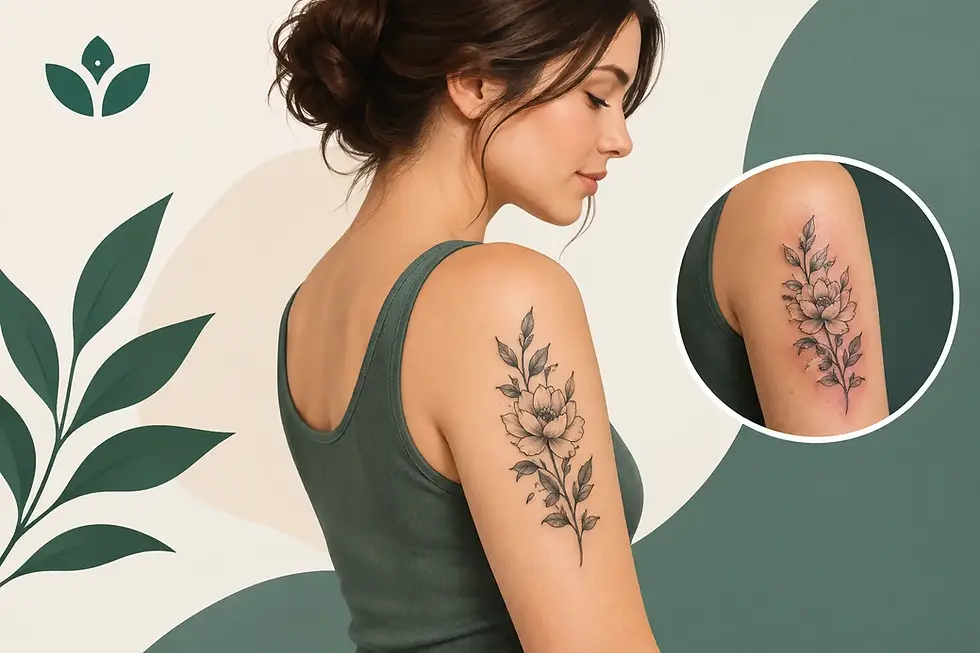
Size is another trade-off. A small tattoo can be powerful, but it cannot carry every detail from a large reference image. If you want fine facial features, layered flowers, textured fur, tiny lettering, or an intricate scene, the design may need more room. Choosing a larger placement is often what allows the artist to preserve clarity instead of forcing detail into a space that cannot support it.
Trust the artist on technical choices
Custom tattooing is collaborative, but collaboration does not mean every visual choice has equal weight. Your artist should respect your concept and preferences. At the same time, their job is to protect the final result by recommending changes when needed.
That might mean simplifying a background, increasing contrast, enlarging lettering, adjusting a shape to follow the body, or removing tiny elements that would not heal cleanly. These are not compromises that weaken a design. They are often what makes the tattoo readable and durable.
At Skinwalker Studio, artists bring more than 100 years of combined experience across black-and-gray, detailed work, and custom creative styles. That range gives clients a better opportunity to match an idea with an artist whose portfolio and approach fit the project.
How to Prepare for a Productive Consultation
A consultation works best when you are honest about your idea and open about your limits. Share the story behind the tattoo if it affects the design. Mention your preferred placement, approximate size, desired style, color preference, timeline, and budget range. If you have tattoos nearby, point them out so the artist can plan spacing and visual balance.
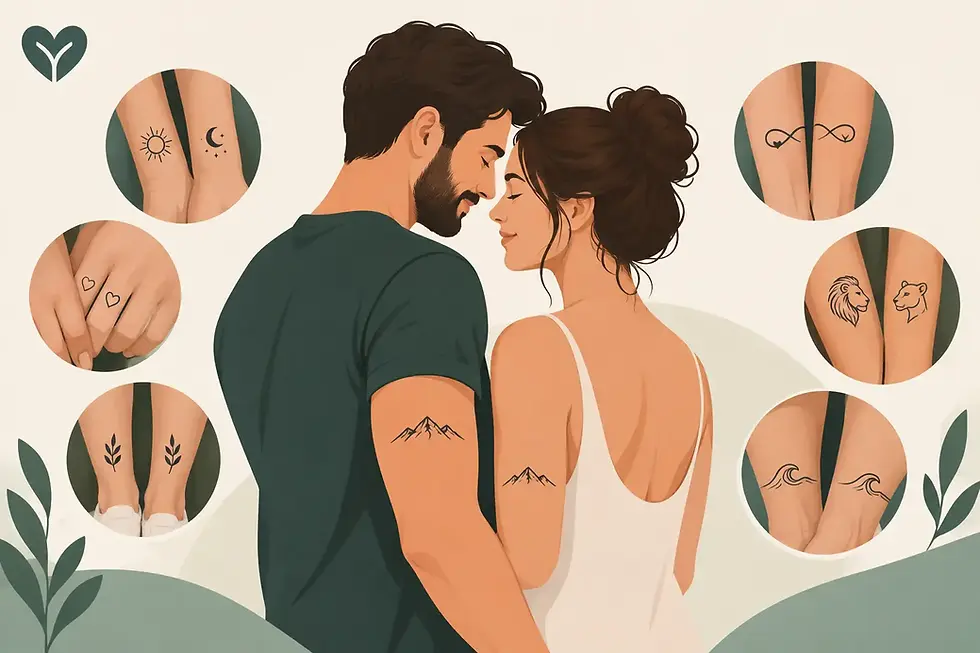
It is also worth discussing whether the tattoo is intended to stand alone or grow into a larger piece later. A small design can be placed in a way that leaves room for a future sleeve, back piece, or leg project. Without that conversation, a great individual tattoo can make expansion more difficult.
Come prepared to make decisions, but do not rush because you feel pressure to have every answer. Permanent artwork deserves a measured process. If you need time to think about placement, size, or style, taking that time is better than booking a design you are unsure about.
For larger projects, planning may include multiple sessions. This gives the artist room to build detail carefully and gives your skin time to heal between appointments. Financing options such as Affirm can also make a larger custom project more manageable, depending on your approved terms and the studio’s available options.
A Custom Tattoo Should Still Feel Right Years From Now
Trends can be fun, but a tattoo should not rely on a trend alone. Ask yourself whether you connect with the subject, style, and placement beyond the moment you are in now. You do not need a tattoo to have a dramatic backstory, but you should genuinely want to see it on your body for the long term.
The strongest custom pieces balance personal meaning with artistic clarity. They use the right amount of detail for their size, suit the body part they live on, and reflect a style you will continue to appreciate. Whether your idea is bold and visible or private and understated, give it the time, conversation, and skilled attention it deserves. Bring the spark of the idea, and let an experienced artist help give it a lasting form.
Comments