

What Is a Custom Tattoo Design?

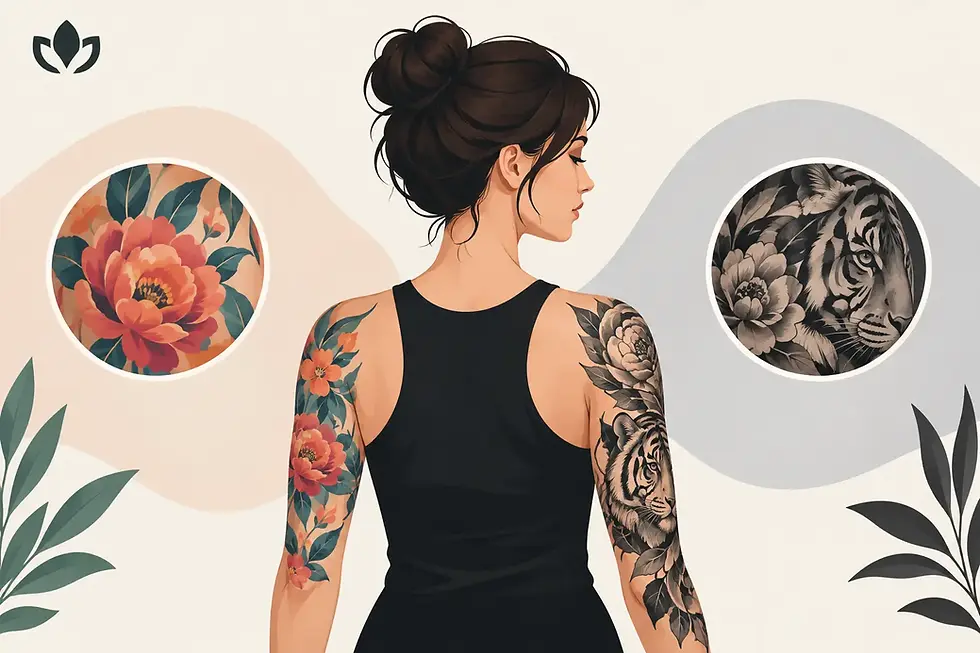
You can spot the difference almost immediately. One tattoo looks like it could belong to anyone. The other feels like it could only belong to the person wearing it. That difference gets to the heart of what is a custom tattoo design - it is artwork created for you, not pulled off a wall, copied from the internet, or recycled from someone else’s story.
A custom tattoo design starts with an idea, but it does not end there. The artist takes your references, your meaning, your placement, your style preferences, and your body’s natural shape, then builds a piece around all of that. The result is something personal, intentional, and designed to live well on skin.
What Is a Custom Tattoo Design, Exactly?
A custom tattoo design is original artwork developed through collaboration between a client and a tattoo artist. Sometimes that collaboration starts with a clear vision. Sometimes it starts with a rough concept, a memory, a mood board, or a single image that captures the feeling you want.
What makes it custom is not just that the drawing is new. It is that the design is made with your specific goals in mind. A strong custom piece considers scale, body placement, flow, contrast, longevity, and the artist’s style. It is designed to fit your body and your intent, not just fill space.
That matters because tattoos are not flat prints. Skin moves. Muscles shift. Some areas age differently than others. A custom design accounts for those realities from the start. It should look strong on day one, and it should still make sense years down the road.
Why Custom Work Matters More Than People Think
A lot of people assume custom means complicated, large-scale, or expensive by default. Sometimes it does mean a bigger investment, but not always. Custom simply means the tattoo is being built around you.
That can be especially valuable if the tattoo carries emotional weight. Memorial pieces, symbolic work, coverups, and tattoos tied to identity usually need more than a generic template. Even when the concept seems simple - a flower, a snake, a script piece, a black-and-gray portrait - the execution changes everything. Line weight, shape, spacing, and composition all affect whether the tattoo feels elevated or forgettable.
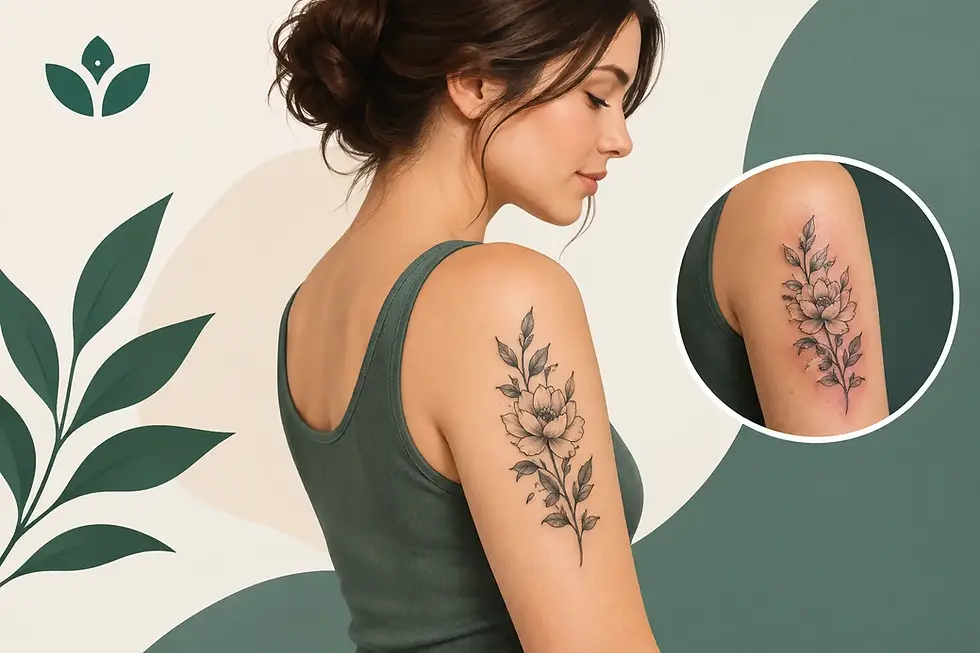
Custom work also protects you from one of the most common regrets in tattooing: choosing something that looked good online but does not translate well to your body. A design that works on paper or on someone else’s arm may not work on your ribs, calf, chest, or forearm. A professional artist knows how to adapt the idea so it feels balanced and built for the placement.
The Difference Between Custom and Flash
Flash tattoos have their place. They can be bold, fun, collectible, and artist-driven in their own way. If you love a flash design exactly as it is, there is nothing wrong with choosing it.
But flash and custom are not the same thing. Flash is pre-drawn artwork that clients choose from. A custom tattoo design is made specifically for one client. It may borrow inspiration from an artist’s signature style, but it is not a repeat design.
The trade-off comes down to flexibility and originality. Flash often moves faster because the artwork already exists. Custom takes more planning, more conversation, and sometimes more revisions. In return, you get a piece shaped around your story, your placement, and your long-term vision.
How a Custom Tattoo Design Comes Together
The process usually begins with a consultation. This is where the artist learns what you want, what matters to you, and what kind of visual direction makes sense. You might bring reference images, but those are usually starting points, not a blueprint.
A good consultation covers more than subject matter. It should also touch on style, size, placement, tone, and practical limits. If you want fine detail on a tiny area, the artist may explain why that could blur over time. If you want a sleeve that mixes several themes, they may suggest a stronger way to connect those elements so the final piece reads as one composition instead of several unrelated tattoos.
From there, the artist develops the design. Depending on the project, that may involve sketching, redrawing, refining composition, and adjusting for anatomy. Some studios show final artwork ahead of time. Others present it closer to the appointment. Neither approach is automatically better - it depends on the artist’s workflow and the scale of the project.
What matters most is trust. Custom tattooing works best when clients bring vision and artists bring expertise. You should absolutely speak up about meaning, style, and must-have elements. At the same time, a strong artist may steer you away from choices that do not age well, fit poorly, or weaken the design.
What You Bring to the Process
You do not need to be able to draw. You do not need to show up with a fully formed design. What helps most is clarity about what you want the tattoo to say or feel like.
That could mean bringing a few reference images that show the style you like. It could mean describing the story behind the piece. It could mean knowing that you want black-and-gray realism instead of bold traditional color. The more clearly you communicate your priorities, the better your artist can shape the design.
It also helps to be realistic. Not every idea fits every placement. Not every effect works at every size. And not every artist is the right fit for every concept. If you want a custom tattoo design that feels truly dialed in, style match matters. An artist who excels in black-and-gray may approach your idea differently than an artist known for illustrative or neo-traditional work. That is not a flaw - it is part of what makes artist-led tattooing valuable.
What a Good Custom Design Actually Does
A strong custom tattoo is not just unique. It is readable, balanced, and built to last.
Readability means the design still makes sense from a normal viewing distance. Tiny details can be impressive in a fresh drawing, but if the tattoo turns muddy on skin, the concept suffers. Balance means the piece fits the body area without looking cramped or awkwardly stretched. Longevity means the design uses contrast, spacing, and structure in a way that can hold up over time.
This is where experience shows. A seasoned artist is not only creating an image. They are solving a visual problem on a living surface. They know when to simplify, when to push detail, and when to leave room so the tattoo can breathe.
That is also why custom work can be worth the extra planning. A tattoo is personal, but it is also technical. The best designs respect both sides.
Common Misunderstandings About Custom Tattoos
One of the biggest misconceptions is that custom means total creative control for the client. In reality, it is a collaboration. You bring the vision. The artist brings the design knowledge and tattoo experience to make that vision work on skin.
Another misunderstanding is that originality means starting from nothing. That is rarely how great custom work happens. Most tattoo projects begin with inspiration, references, and existing visual language. The difference is in how those elements are transformed into something specific to you.
People also sometimes assume custom means endless revisions. Usually, the process is more focused than that. A professional artist is not there to generate dozens of disconnected options. They are there to create the strongest version of the agreed concept. If you choose the right artist from the beginning, that process tends to be more efficient and more satisfying.
Is a Custom Tattoo Design Right for You?
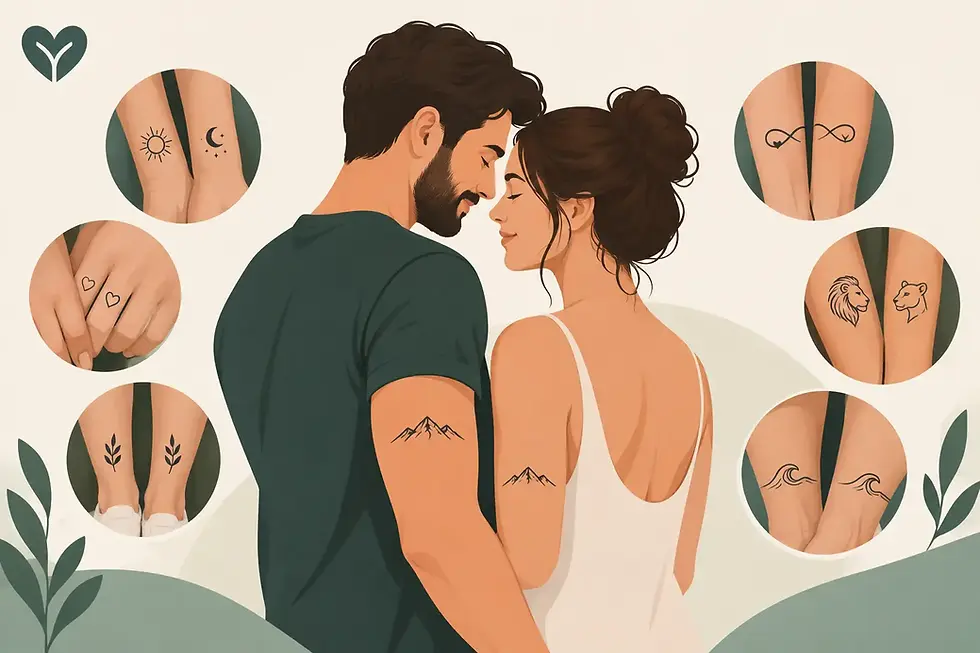
If you want a tattoo that reflects your story, fits your body well, and feels intentional rather than off-the-shelf, custom work is usually the right move. It is especially smart for larger pieces, visible placements, memorial tattoos, and anything you want to feel one-of-a-kind.
If you are more spontaneous and fall in love with a ready-made design, flash may be a better fit. There is no wrong answer when the tattoo suits your goals. The key is knowing the difference before you book.
At a studio like Skinwalker Studio, custom design is not treated like an add-on. It is part of the craft. The point is not to hand you a standard image with minor edits. The point is to bring your vision to life with the skill, style, and technical precision that make it feel truly yours.
A great tattoo does more than fill space. It says something clear every time you look at it, and it still feels like you years later.
Comments