

Best Questions for Tattoo Consultation Visits

A tattoo consultation is where a good idea becomes a design that belongs on your body. The best questions for tattoo consultation visits do more than cover price and scheduling. They help you find the right artist, clarify the details that make a tattoo personal, and set realistic expectations before the needle ever touches skin.
Bring reference images if you have them, but do not feel like you need a finished blueprint. A strong artist-led consultation is a conversation: you bring the meaning, style direction, placement, and must-haves; your artist brings the design judgment, technical knowledge, and honest feedback needed to create something truly special.
Start With the Artist and Their Style
A custom tattoo is not just about whether an artist can tattoo well. It is about whether their strengths fit the piece you want to wear for years.
Is this style a specialty for you?
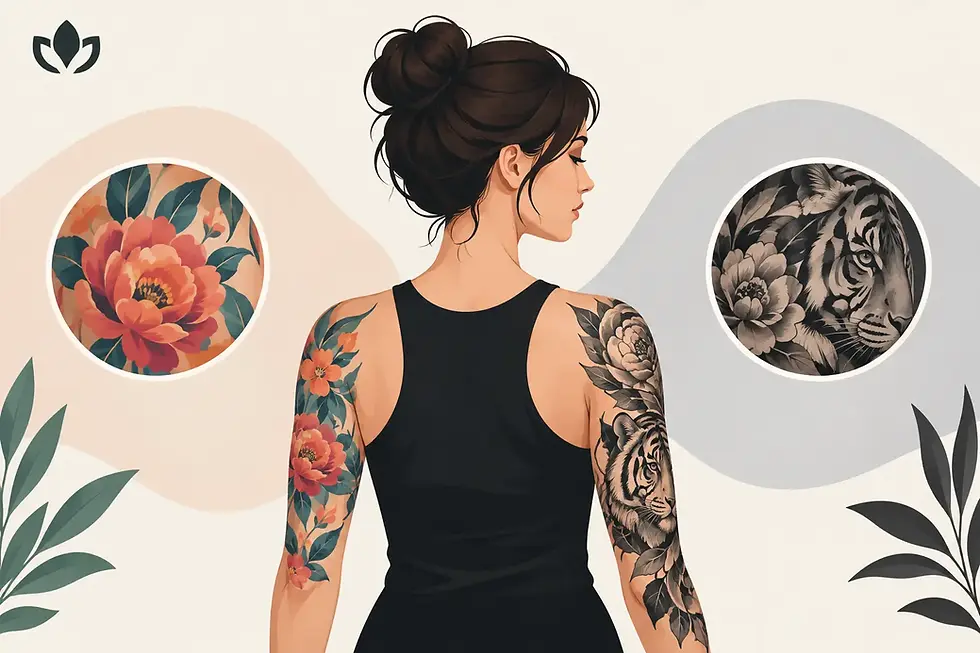
Ask directly whether the artist regularly works in the style you have in mind. Black-and-gray realism, fine line, illustrative color, traditional, lettering, neo-traditional, and ornamental work all call for different design instincts and technical approaches.
An experienced tattooer may be capable across multiple styles, but the right question is whether they have a portfolio that shows the exact visual language you want. If you want a soft black-and-gray memorial portrait, look for healed examples with smooth value transitions and readable features. If you want bold color, look for saturation, clean outlines, and compositions that hold together from a distance.
Can I see healed work similar to my idea?
Fresh tattoos are exciting, but healed work tells you how an artist's lines, shading, color, and placement decisions settle into real skin. Ask to see healed tattoos in a similar style, on a similar body area when possible.
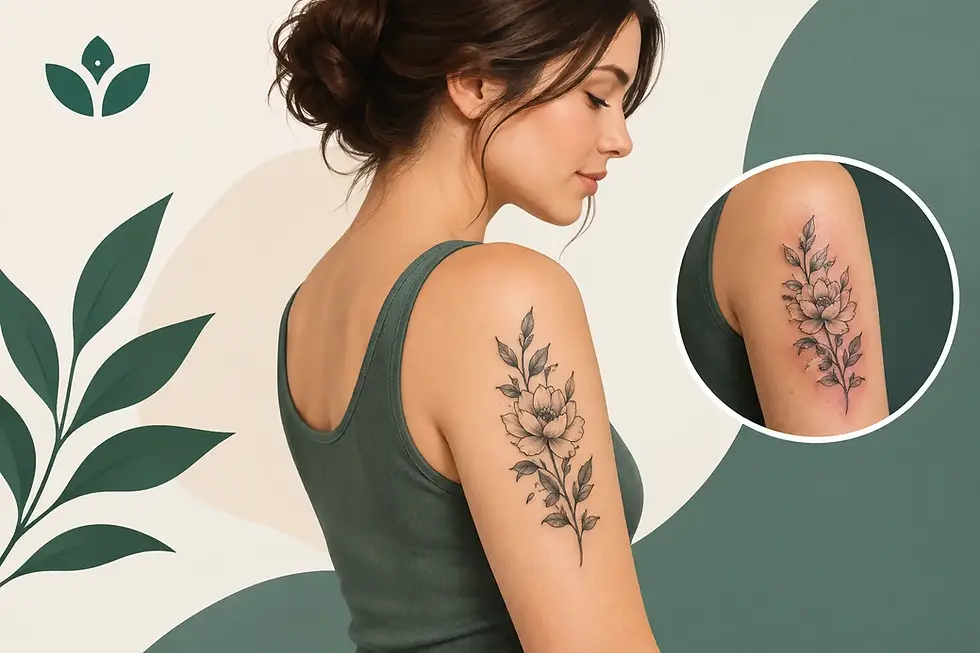
This is especially useful for fine details, white ink, small lettering, and highly detailed designs. A tattoo can look razor-sharp on day one and still need room to breathe as it heals and ages. The best artists plan for that from the beginning.
What would you change about my reference images?
This question opens the door to collaboration. Your references are a starting point, not a stencil for someone else's tattoo. Ask what elements will translate well, what might need to be simplified, and what could make the design feel more original to you.
A confident artist will explain their recommendations clearly. They may suggest a different crop, stronger contrast, fewer tiny details, or a larger scale. That is not a rejection of your idea. It is design expertise protecting the result.
Ask the Questions That Shape the Design
The most memorable tattoos have a clear visual priority. Your consultation should establish what absolutely needs to be present and what can evolve once the artist begins designing.
What size does this tattoo need to be?
Size is one of the biggest quality decisions in tattooing. A design may look perfect on a phone screen but become crowded, muddy, or unreadable if it is forced too small.
Ask your artist for the smallest size they would recommend for the amount of detail you want. Then ask whether going larger would improve the design's longevity. This matters for portraits, florals with fine petals, script, maps, hands, faces, and anything with tiny negative spaces.
Is this placement right for the design?
The body is not flat, and placement changes everything. Muscles move, joints bend, and certain areas fade faster because of friction and sun exposure. An artist can tell you whether a vertical design should follow the flow of an arm or calf, whether a circular design needs more open space, or whether your chosen area will distort the image.
Be honest about how visible you want the tattoo to be. Consider work requirements, family expectations, your wardrobe, and whether you want the piece to be a private detail or a centerpiece. There is no wrong answer, but there are better placements for different goals.
How will this age over time?
Ask this question even if you love delicate work. All tattoos change with time, but thoughtful choices can keep a tattoo readable and intentional for far longer. Your artist may recommend thicker lines, more spacing between details, darker contrast, or a different color strategy based on your skin tone and the tattoo's location.
It depends on the style. A large black-and-gray piece and a small fine-line design will age differently, and neither is automatically better. The key is understanding the trade-off before you commit.
Can this work with tattoos I already have or plan to add?
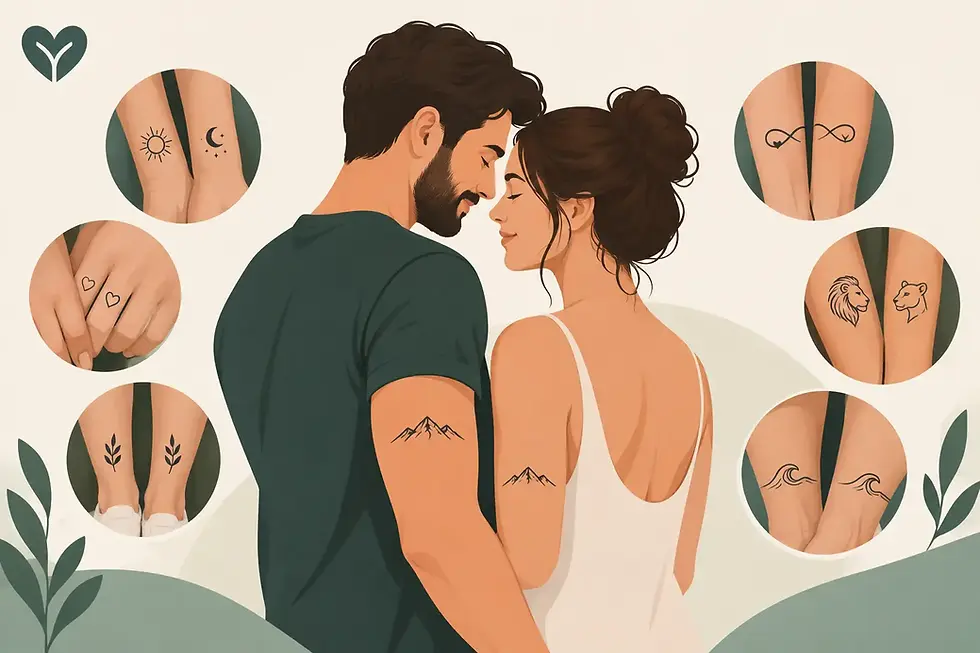
If you are building a sleeve, patchwork collection, back piece, or a set of coordinated tattoos, bring photos of your existing work. Ask how the new design can complement the surrounding pieces in scale, spacing, subject matter, and flow.
Even if this is your first tattoo, it is worth considering future placement. Leaving room for a larger piece later can save you from trying to force an important design into a space that no longer fits it.
Cover the Practical Details Before Booking
The creative side gets most of the attention, but clear logistics make the appointment easier for everyone. Ask these questions early enough that you can make decisions without pressure.
What is the estimated cost and how is pricing handled?
Ask for the expected price range, whether the artist charges by the hour or by the piece, and what factors could change the final total. Size, placement, level of detail, color, revisions, and the number of sessions all affect cost.
For larger custom work, it is smart to ask how the deposit works and whether it applies to the final price. If your project requires several appointments, ask for a realistic session plan rather than assuming it can be finished in one sitting. Payment flexibility can make larger work more manageable, but the design should still be planned around quality rather than a rushed budget.
How much design input will I have before the appointment?
Every studio has its own process. Some artists present the completed design on the day of the tattoo; others share parts of the concept beforehand. Ask when you will see the artwork, how revisions are handled, and what changes are reasonable once the design is underway.
Respect the artist's process while being clear about your non-negotiables. If a date, name, symbolic object, or certain visual mood matters deeply, say so during the consultation. If you only need a general theme, give the artist room to create.
How long will the appointment take, and how should I prepare?
Ask for a realistic time estimate, including stencil placement and breaks. Then ask what to do the night before and the morning of your appointment. Most artists will recommend arriving rested, hydrated, and fed, while avoiding alcohol and anything that may increase bleeding unless directed by a medical professional.
Tell your artist about relevant skin concerns, allergies, medications, or medical conditions. This is not oversharing. It helps them make informed decisions about comfort, timing, and whether the area is suitable for tattooing.
Talk Honestly About Pain, Healing, and Aftercare
Pain is subjective, but you can still prepare. Ask how the placement typically feels, how long the session may be, and whether the artist expects particular areas of the design to be more intense. Ribs, feet, hands, sternum, spine, and areas near joints often feel different than the outer arm or thigh, but every client experiences it differently.
What aftercare do you recommend for this tattoo?
Ask for clear aftercare instructions and follow them rather than mixing advice from social media, friends, and old tattoo experiences. Healing can vary by placement, size, skin type, and how much the tattoo is exposed to clothing or movement.
Ask when you can work out, swim, take a bath, expose the area to sun, or wear tight clothing over it. Also ask what normal healing looks like and which signs mean you should contact the studio or seek medical guidance. A professional artist wants your tattoo to heal as well as it was applied.
Will I need a touch-up?
Touch-ups are sometimes part of the process, especially with areas prone to fading or tattoos with delicate details. Ask whether a touch-up is likely, when it would be scheduled, and how the studio handles it. Do not judge a fresh tattoo too quickly. Give it time to fully heal before assessing how it settled.
Bring the Right Mindset to the Consultation
The best consultation is not an audition where you try to impress the artist with a perfectly formed idea. It is a working conversation built on mutual respect. Be open about your budget, your timeline, your concerns, and the meaning behind the tattoo if it affects the design.
At the same time, listen when an artist tells you a concept needs more space, a different placement, or a simplified approach. The goal is not to copy an image exactly. The goal is to create a tattoo that fits your body, reflects your vision, and still looks powerful years from now.
At Skinwalker Studio, that collaboration is where custom work earns its place. Walk into your consultation with questions, leave room for expert direction, and choose the version of the idea that you will be proud to wear every day.
Comments