

Custom Tattoo Pricing: What Shapes the Cost

A tattoo can begin with a photo, a memory, a sketch on the back of a receipt, or an idea you cannot quite put into words yet. Custom tattoo pricing reflects what it takes to turn that starting point into artwork that fits your body, your style, and the story you want to carry. It is not simply a price per image. It is an investment in design, technical skill, time, and a result you will live with every day.
For a small, straightforward tattoo, estimating the cost may be fairly simple. For a large black-and-gray piece, a detailed color composition, or a design built from several personal references, the answer depends on the work involved. Knowing what shapes a quote helps you plan with confidence and choose an artist for the right reasons.
What Custom Tattoo Pricing Actually Covers
A custom tattoo quote covers much more than the time the machine is running. Before your appointment, an artist may spend time reviewing references, researching visual elements, building a composition, and making sure the design works with the intended placement. The goal is not to copy a picture onto skin. It is to create something that reads well, heals well, and feels made for you.
Your appointment also includes professional-grade supplies, sterile setup, proper disposal procedures, equipment maintenance, and the focused attention required to execute permanent work safely. A strong studio experience is built around preparation as much as the tattoo itself.
Artists also price according to their experience, demand, and specialty. An artist with years of technical practice, a recognizable portfolio, or deep experience in a particular style brings a level of judgment that matters when the work is permanent. The lowest quote is not always the best value, especially for detailed work, cover-ups, portraits, fine line designs, or tattoos in highly visible placements.
The Factors That Shape a Tattoo Quote
Size is only the starting point
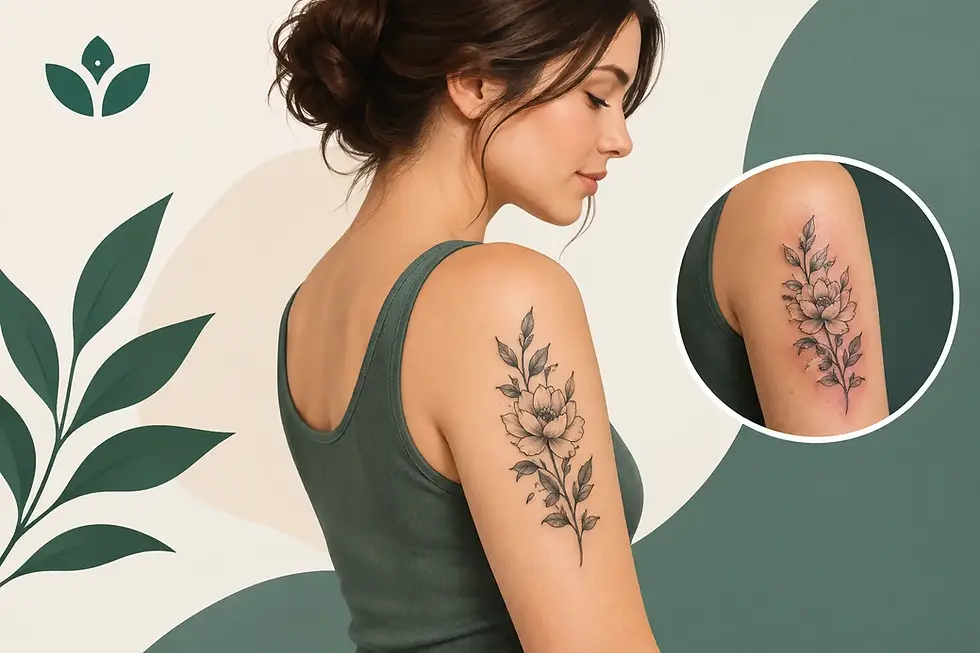
Larger tattoos generally require more time, more materials, and often more than one session. But two tattoos with the same dimensions can have very different prices. A palm-sized bold traditional design may be completed much faster than a palm-sized realism piece with soft shading, skin texture, and tiny details.
Artists consider the actual amount of tattooing required, not only the inches on a ruler. Dense color packing, layered shading, intricate linework, and high-detail rendering all add time.
Style changes the amount of labor
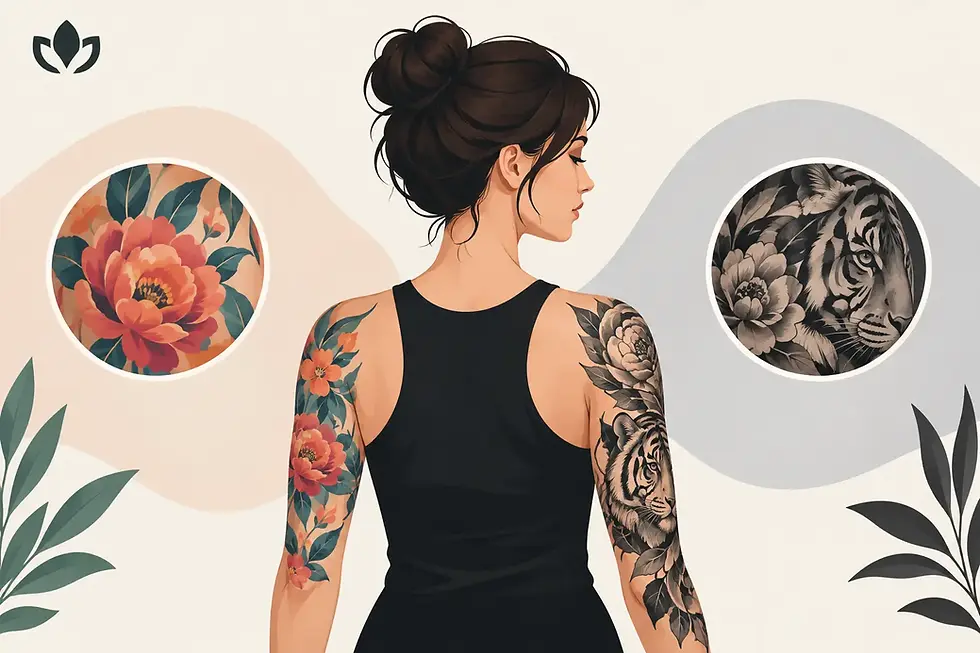
Every tattoo style asks different things of an artist. Clean script requires precise spacing and consistent line control. Black-and-gray realism can require long sessions of gradual shading and careful contrast. Full-color work may involve multiple passes to build saturation. Geometric patterns demand accuracy, balance, and placement awareness.
This is why it helps to choose an artist whose portfolio aligns with the look you want. You are not just booking time. You are booking the person best equipped to bring that particular vision to life.
Placement can make a major difference
Some areas of the body are easier to tattoo than others. Flat, stable areas such as an outer arm or calf can allow an artist to work efficiently. Ribs, hands, feet, fingers, elbows, knees, necks, and areas near joints can be more demanding because the skin moves, curves, or reacts differently.
Placement may also affect how a design needs to be drawn. A piece that looks balanced on paper may need to be reshaped to follow the arm, shoulder, thigh, or chest naturally. This design consideration is part of quality custom work, not an unnecessary extra.
Detail and revisions require design time
A custom design built from a clear idea and a few focused references is usually easier to plan than one with many competing concepts. That does not mean you need to arrive with finished artwork. A good consultation is where an artist helps organize the idea.
Still, scope matters. Combining several portraits, meaningful dates, symbolic objects, background scenery, and multiple styles into one composition requires more drawing and planning than a single central image. Reasonable refinements are part of the collaborative process, while major changes after a design direction has been approved may affect the timeline or cost.
Cover-ups and reworks are their own category
Covering an existing tattoo is not the same as starting with a blank canvas. The artist has to work with what is already in the skin, including dark areas, faded pigment, shape, placement, and texture. The new design must be large enough, dark enough, or strategically composed enough to redirect the eye.
Sometimes a cover-up is possible in one direction but not another. Sometimes fading sessions are recommended before tattooing. A consultation is the right place for an honest answer, because the best cover-up plan is built around what will look strong years from now, not what sounds easiest in the moment.
Hourly Rates, Session Rates, and Minimums
Studios may use different pricing structures depending on the project. Smaller tattoos are often subject to a shop minimum. This accounts for setup, sterilization, supplies, and the appointment time needed even when the tattoo itself is quick.
Larger or more complex projects may be priced by the hour or by session. Hourly pricing can be practical when the final duration depends on skin response, detail level, breaks, or how the artwork develops on the body. Session pricing can give clients a clearer way to budget for large-scale work, such as sleeves, back pieces, or multi-appointment projects.
Neither structure is automatically better. The useful question is whether you understand what the estimate includes and what could cause the project to take longer. Ask whether the quote is a fixed price, an approximate range, an hourly rate, or a per-session amount. Clear expectations make the process better for both client and artist.
How to Get an Accurate Custom Tattoo Estimate
The best quote starts with useful information. When you reach out, share the placement, approximate size, desired style, whether the tattoo is new or a cover-up, and any reference images that communicate the direction. Include a photo of the area if placement or an existing tattoo is involved.
Be specific about what matters most. Is it the exact subject, the mood, a certain color palette, or matching the style of another piece you already have? This gives the artist room to make smart creative decisions instead of trying to force every detail into a design that may not work on skin.
During a consultation, ask about the expected number of sessions, how long each may run, and whether the artist anticipates any placement or design challenges. If you have a firm budget, say so early. It does not mean the artist will reduce the quality of the work. It gives them a chance to suggest a size, level of detail, or phased approach that stays realistic.
Budgeting for Work You Will Keep
It is smart to budget beyond the tattoo appointment itself. Deposits are commonly used to reserve an artist's time and begin the design process, and studios may have specific policies for rescheduling or cancellations. Plan for aftercare products, travel if you are coming from outside Roanoke, and enough time to heal without scheduling a beach trip, intense workout, or other activity that could complicate fresh ink.
For a larger project, you do not have to force everything into one appointment. Building a sleeve or back piece in stages can make the financial commitment more manageable while giving the artwork room to develop intentionally. At Skinwalker Studio, payment options including cash, credit, and Affirm can also help clients plan for substantial custom work without treating a meaningful tattoo like a rushed purchase.
A lower price can be appealing, but a tattoo is one of the few purchases where a bargain can become expensive later. Fixing poor linework, uneven saturation, or an ill-fitting design may require several appointments, a cover-up, or laser fading. Choosing craftsmanship first is often the more economical decision over the life of the tattoo.
A Better Way to Think About the Cost
The right custom tattoo is not defined by the biggest budget or the most elaborate concept. It is defined by the relationship between your idea, the artist's strengths, and a design that will still feel powerful after the initial excitement fades. Be open about your budget, trust the consultation, and give the artist enough information to make thoughtful recommendations.
When the work is personal, the price should support a process that is personal too. Give your idea the time, planning, and skill it deserves, then wear something truly special with confidence.
Comments