


8 Best Ways to Choose Tattoo Artist Right

A tattoo can look incredible on Instagram and still be completely wrong for your skin, your idea, or your long-term taste. That is why the best ways to choose tattoo artist are less about chasing hype and more about finding the right match - artistically, technically, and personally.
If you are in the research phase, slow down a little. A good tattoo artist is not just someone who can tattoo. They are someone who can translate your concept, work confidently in the style you want, place it well on the body, and make the entire process feel clear and professional from consultation to healing.
The best ways to choose tattoo artist start with style match
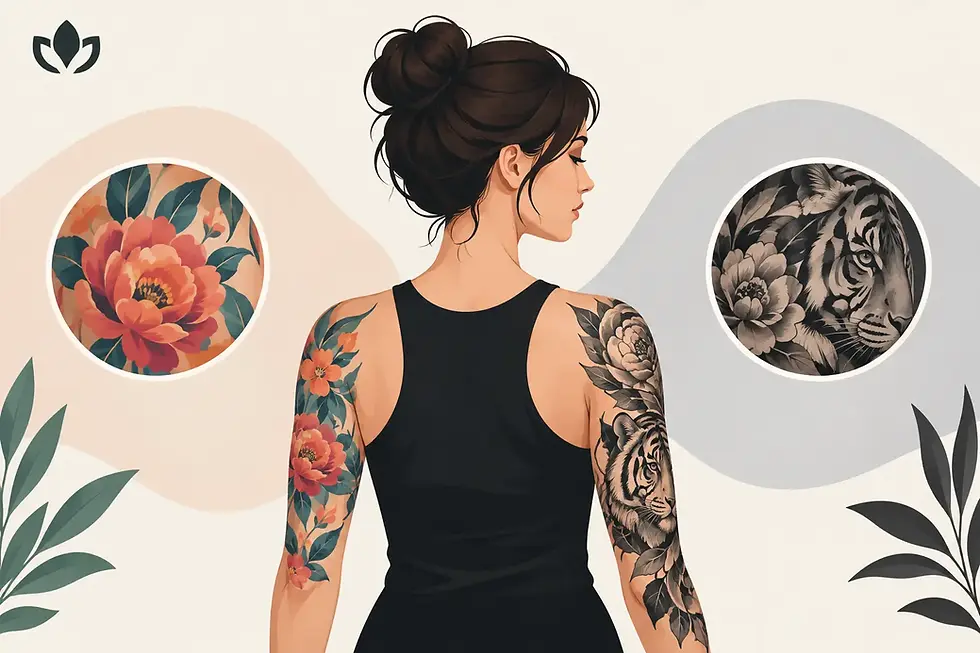
The biggest mistake people make is treating tattooing like one-size-fits-all art. It is not. An artist who creates stunning black-and-gray realism may not be the right fit for bold traditional work. Someone with clean fine line pieces may not be the best choice for a large-scale full-color sleeve.
Start with the look you actually want, not the shop that is closest or the artist with the largest following. Pull together a few reference points and get specific. Are you drawn to black-and-gray portraits, illustrative work, lettering, neo-traditional, Japanese-inspired pieces, or mixed-style custom work? Once you know that, look for artists who show repeated strength in that lane.
A strong portfolio should feel consistent. You want to see more than one great tattoo. You want to see a pattern of quality across different clients, placements, and body types. Consistency is what builds trust.
Read portfolios like a client, not a fan
A lot of people look at tattoo portfolios and only notice what is flashy. That is understandable, but it is not enough. A serious portfolio tells you how an artist handles linework, shading, saturation, composition, and flow on the body.
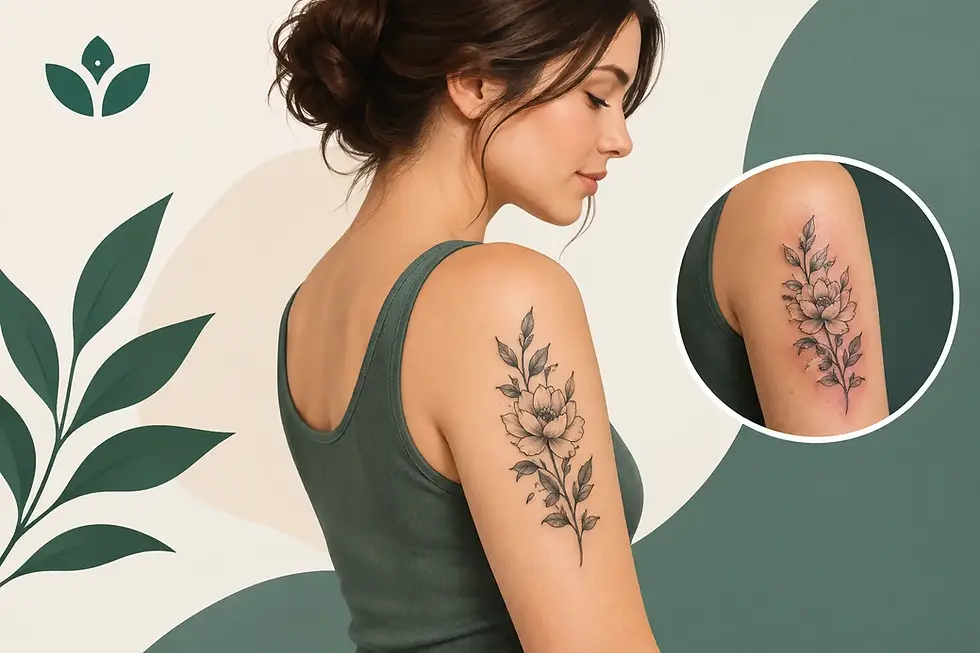
Look closely at healed work if it is available, not just fresh tattoos taken under perfect lighting. Fresh tattoos can be impressive, but healed results tell you more about technique. Clean lines should still read clearly. Black areas should heal solid. Fine details should not look muddy or overworked.
Pay attention to placement, too. Great tattooing is not just about the drawing. It is about how the design moves with the body. A skilled artist understands that a forearm piece, chest tattoo, and calf design each need a different approach.
If an artist only posts one narrow kind of work, that is not always a red flag. Specialists are often excellent. But if your idea sits outside that specialty, keep looking.
What a strong tattoo portfolio usually shows
A dependable portfolio often includes fresh and healed work, a clear point of view, multiple examples in the same style, and tattoos photographed well enough to assess detail honestly. You should not need to guess whether the artist is skilled.
Safety and professionalism matter as much as art
The tattoo may be permanent, but the experience matters too. A clean, professional studio should never feel optional. It is part of the standard.
When you are evaluating an artist, pay attention to the environment around their work. Is the studio clean and organized? Are procedures clear? Do they discuss aftercare, placement, preparation, and healing in a direct way? Professional artists do not act annoyed when clients ask reasonable questions about hygiene or process.
Good communication is part of safety. So is transparency. You should understand deposit policies, scheduling, pricing structure, and what to expect during your appointment. If someone is vague about basic procedures, that uncertainty usually shows up elsewhere too.
For first-time clients, this matters even more. Nerves are normal. A strong artist or studio makes space for questions without making you feel out of place.
Choose someone who can collaborate, not just copy
A tattoo is personal. Even when you bring references, the goal is not usually to duplicate someone else’s piece. The best artists know how to take your ideas and shape them into something that fits your body and your story.
That is why consultation matters. You want an artist who listens well, asks smart questions, and gives honest feedback. Sometimes that means improving your concept. Sometimes it means telling you a certain detail will not age well at a small size. Sometimes it means suggesting a different placement so the design has room to breathe.
This is a good sign, not a problem. A confident artist is not there to say yes to everything. They are there to help you create something truly special that will hold up over time.
If you feel dismissed, rushed, or pressured into choices that do not feel right, trust that instinct. The process should feel collaborative and grounded in expertise.
Reviews can help, but they should not make the decision for you
Online reviews are useful for spotting patterns. They can tell you whether clients felt respected, whether appointments ran professionally, and whether the studio handled communication well. That information matters.
But reviews should support your decision, not replace your judgment. A five-star rating does not guarantee the artist is right for your style. A great personality does not make up for weak technical work. On the other hand, a highly skilled artist may have a more selective booking process or a longer wait time, which can be worth it depending on the piece.
Use reviews to answer practical questions. Did people mention cleanliness? Clear communication? A comfortable experience? Strong healed results? Then compare that feedback against the actual portfolio.
The best ways to choose tattoo artist include asking better questions
You do not need to walk into a consultation with expert-level tattoo knowledge. You do need to ask a few smart questions.
Ask how the artist approaches your style and placement. Ask whether they have done similar work before. Ask how they handle custom design changes. Ask what they recommend for scale, detail, and longevity. If you are investing in a large or meaningful piece, ask whether they book in multiple sessions and how they plan those out.
Notice the answers. A strong artist usually responds with clarity and confidence, not attitude. They can explain their process in plain language and help you understand the trade-offs. Bigger is not always better. Smaller is not always smarter. More detail is not always more effective.
That kind of guidance is part of what you are paying for.
Budget matters, but cheap work gets expensive fast
Price is real. Everyone has a budget, and there is nothing wrong with being honest about it. But tattoo shopping based on the lowest number usually leads to regret.
A tattoo price reflects more than time in the chair. It includes design skill, experience, technical consistency, studio standards, materials, and the artist’s ability to deliver work that lasts. If a quote seems dramatically lower than comparable artists, ask yourself why.
That does not mean the most expensive option is automatically the best. It means value matters more than bargain pricing. If the tattoo is deeply personal or highly visible, it is worth investing in the right artist rather than settling for immediate convenience.
For larger custom work, some clients also benefit from studios that offer flexible payment options. That can make it easier to choose quality without forcing a rushed decision.
Pay attention to experience, but not just years alone
Experience matters, especially for complex work, cover-ups, large-scale pieces, and styles that demand technical control. Awards, specializations, and a long track record can all build confidence.
Still, years alone are not the whole story. An artist with ten years of average work is not a better choice than an artist with fewer years and a stronger portfolio in your preferred style. The right question is not just how long they have tattooed. It is how well they do the kind of tattoo you want.
That is why artist rosters can be so helpful in a strong studio environment. Different artists often bring different strengths, which gives clients a better chance of finding a true fit instead of forcing one artist to handle every request.
Local matters more than people admit
There is nothing wrong with traveling for a tattoo, especially for highly specialized work. But there is real value in choosing a professional artist within reach of home when possible.
Local tattooing makes consultations easier, follow-up simpler, and healing support more practical. If you are in the Roanoke area and comparing options, look for a studio that shows distinct artist identities, clear examples of custom work, and a professional booking process. That combination usually says more than flashy promotion ever will.
A premier destination for body art should make the path from concept to appointment feel focused and welcoming, not confusing.
The right tattoo artist is not just the most popular name on your feed. It is the person whose work fits your vision, whose process earns your trust, and whose skill gives your idea the best chance to become something you will still be proud to wear years from now.
Comments