


Tattoo Aftercare Instructions That Actually Work

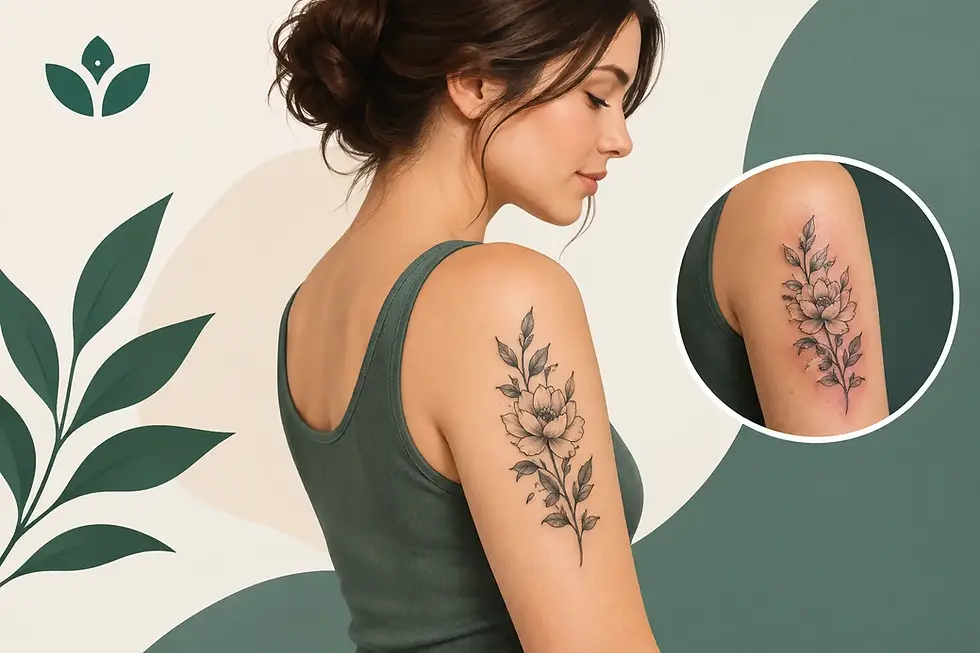
A fresh tattoo can look finished the moment you leave the chair, but the real result takes shape during healing. Good tattoo aftercare instructions are not about babying your skin - they are about protecting detail, preventing irritation, and giving the work the best chance to heal clean and bright.
That matters whether you sat for a small fine-line piece or a full custom session. Your tattoo is an open wound for the first part of healing, and how you treat it over the next few days can affect comfort, color, crispness, and overall recovery. Some peeling and tenderness are normal. Infection, heavy scabbing, and careless friction are not.
Tattoo aftercare instructions for the first 24 hours
Your artist may send you home with a standard bandage or a medical adhesive film. Follow their specific directions first, because different coverings are meant to stay on for different lengths of time. If you were wrapped with a traditional bandage, it is usually removed within a few hours. If you have a second-skin style wrap, you may be told to leave it on longer unless it leaks or lifts.
Once it is time to remove the covering, wash your hands before touching the area. Use lukewarm water and a mild, fragrance-free soap. Clean the tattoo gently with your fingertips, not a washcloth or scrubber. You are removing plasma, excess ink, and surface bacteria - not exfoliating.
Pat it dry with a clean paper towel or let it air dry. Do not rub. Once the area is dry, apply a very thin layer of the aftercare product recommended by your artist. Thin is the key word here. Too much ointment can trap heat and moisture, which makes healing messier, not better.
The first night, your tattoo may feel warm, tight, or extra sensitive. That is common. You may also see a little ink or fluid transfer to bedding or clothing. Wear something clean and loose, and avoid pressure on the tattoo while you sleep.
How to wash and moisturize without overdoing it
For most tattoos, gentle washing once or twice a day is enough. If you work out, sweat heavily, or get dirty at work, you may need to clean it more carefully, but there is a difference between keeping a tattoo clean and constantly messing with it. Overwashing can dry the skin and make irritation worse.
Use fragrance-free soap and lukewarm water every time. Hot water can increase sensitivity, and heavily scented products can sting or trigger a rash. After washing, let the tattoo dry fully before applying moisturizer.
When it comes to lotion, more is not better. A light layer of a fragrance-free moisturizer helps with tightness and flaking. A thick, greasy coating can leave the tattoo looking slimy, clog pores, and soften scabs that should be left alone. If your skin feels shiny or sticky after application, you probably used too much.
There is some variation here based on skin type. People with naturally dry skin may need slightly more frequent moisturizing, while oily or acne-prone skin often does better with less product. Placement matters too. A tattoo on the shin, elbow, or hand may heal differently than one on the upper arm.
What normal healing looks like
A lot of clients worry that something is wrong when the tattoo starts changing. Usually, it is just healing. Redness and tenderness are common at first. Then the tattoo may feel tight, itchy, or lightly flaky. Some pieces peel in thin, dry sheets. Others look cloudy for a few days before settling back in.
This stage can be annoying, especially when the tattoo starts itching. Do not scratch it. Do not pick flakes. Do not pull at peeling skin to "help it along." That can lift ink before the skin is ready and create patchy healing.
A well-healing tattoo generally gets less sore each day. The redness fades. The skin may look dull for a short stretch, then gradually smooth out. Full surface healing often takes a couple of weeks, but deeper settling can take longer.
Signs your tattoo needs more attention
Some discomfort is expected. Increasing pain is not. If the area becomes more red instead of less red, feels intensely hot, swells dramatically, or starts producing thick yellow or green discharge, that is a problem. Fever, chills, and red streaking are also warning signs.
Allergic reactions can happen too, especially if you used a heavily scented lotion or an aftercare product your skin does not tolerate. If you see a widespread rash beyond the tattoo, persistent hives, or severe irritation, stop using the product and seek medical advice.
When in doubt, ask your tattoo artist what they are seeing, especially if the concern is early in healing. A reputable studio would rather answer a healing question than have you guess wrong.
The biggest mistakes people make
Bad healing is not always caused by bad luck. A lot of tattoo problems come from a few avoidable habits.
The first is over-moisturizing. People see dryness and try to fix it by piling on ointment. That usually backfires. The second is soaking the tattoo too soon. Showers are fine, but baths, pools, hot tubs, lakes, and long submersion should wait until the skin has closed and healed. Waterlogging a healing tattoo can soften scabs, increase irritation, and expose the skin to bacteria.
The third is sun exposure. Fresh tattoos and direct sun are a rough combination. UV exposure can irritate healing skin and affect how the tattoo settles. Keep it covered with loose clothing while it heals. Do not put sunscreen on a fresh tattoo unless your artist specifically says the skin is ready for it.
Then there is friction. Tight waistbands, sports bras, socks, work boots, and gym equipment can all irritate a healing piece depending on placement. A beautiful tattoo on day one can look pretty angry by day four if it is constantly rubbing against fabric.
Tattoo aftercare instructions by lifestyle
Healing does not happen in a vacuum. Your routine matters.
If you work a physical job, plan for extra sweat, dust, and friction. Keep the area clean, wear breathable clothing when possible, and avoid direct contact with dirty surfaces. If your tattoo sits under gear or a uniform seam, be especially careful.
If you train regularly, light movement is usually manageable, but intense workouts can be a different story. Stretching, sweating, and shared gym surfaces can all irritate a fresh tattoo. A small tattoo in a low-friction spot may be easier to work around than a large piece over a joint or under tight compression gear. Use common sense, and if the tattoo starts getting redder after activity, back off.
If you have pets, keep the tattoo protected from fur, licking, and dirty contact while the skin is open. If you have kids, be mindful of grabbing hands and accidental bumps. Fresh work needs a little space.
What to avoid until the tattoo is healed
A short do-not-do list saves a lot of trouble. Avoid soaking, scratching, tanning, heavy sun exposure, and tight rubbing clothes. Skip exfoliants, scented body products, and numbing creams unless your artist tells you otherwise. Do not shave over the area until the skin is fully recovered.
It is also smart to hold off on anything that makes you less careful. If you are drinking heavily, staying out in the heat, or doing something that leaves your aftercare as an afterthought, your tattoo may pay for it.
Long-term care keeps the tattoo looking sharp
After the tattoo is healed, maintenance shifts from wound care to skin care. Moisturized skin shows detail better. Sun protection matters more than most people realize, especially for black-and-gray work, fine-line pieces, and bright color. Even a well-executed tattoo will age faster under repeated UV exposure.
That does not mean your tattoo needs constant special treatment forever. It just means the basics count. Keep your skin healthy. Use sunscreen when the tattoo is exposed. Stay realistic about placement too - hands, fingers, feet, and other high-wear areas naturally fade faster than more protected spots.
Great tattoos are built in the chair, but they are protected at home. If you follow clear aftercare, stay patient through the itchy stage, and avoid the usual mistakes, your piece has the best shot at healing the way it was meant to. When you invest in custom work, treat healing like part of the art process - because it is.

Comments