

Do Tattoo Artists Do Custom Tattoos?

Walk into any serious studio with a screenshot and a vague idea, and you’ll learn fast that the answer to do tattoo artists do custom tattoos is yes - but not all custom work is the same. Some artists build every piece from scratch. Some adapt existing concepts into something more personal. Some focus on flash, while others specialize in one-of-one designs built around your body, your story, and your style.
That distinction matters more than most people realize. If you want a tattoo that feels like yours instead of something copied from the internet, custom work is where artistry starts to show.
Do tattoo artists do custom tattoos, or just copy designs?
Professional tattoo artists absolutely do custom tattoos, and many prefer them. Custom work gives the artist room to design around placement, flow, scale, skin tone, and the details that make a piece look right on an actual person rather than on a phone screen.
That said, the phrase custom tattoo can mean different things depending on the artist and the shop. For one artist, custom means a fully original drawing based on your reference images and consultation. For another, it might mean modifying an existing concept, combining a few visual influences, or reworking flash into something more personal.
Very few reputable artists want to directly copy another tattooer’s finished piece line for line. That is usually a red flag. Good artists may take inspiration from references, but they are usually aiming to create something original enough to fit you and respectful enough to avoid duplicating someone else’s work.
If you are looking for a tattoo with meaning, strong composition, and long-term wear in mind, custom design is often the better route.
What a custom tattoo actually means
A custom tattoo is not just “I picked something from Pinterest and changed one flower.” Real custom work starts with collaboration. You bring the concept, mood, symbolism, and maybe a few reference points. The artist brings design sense, technical knowledge, and the experience to turn your idea into something tattooable.
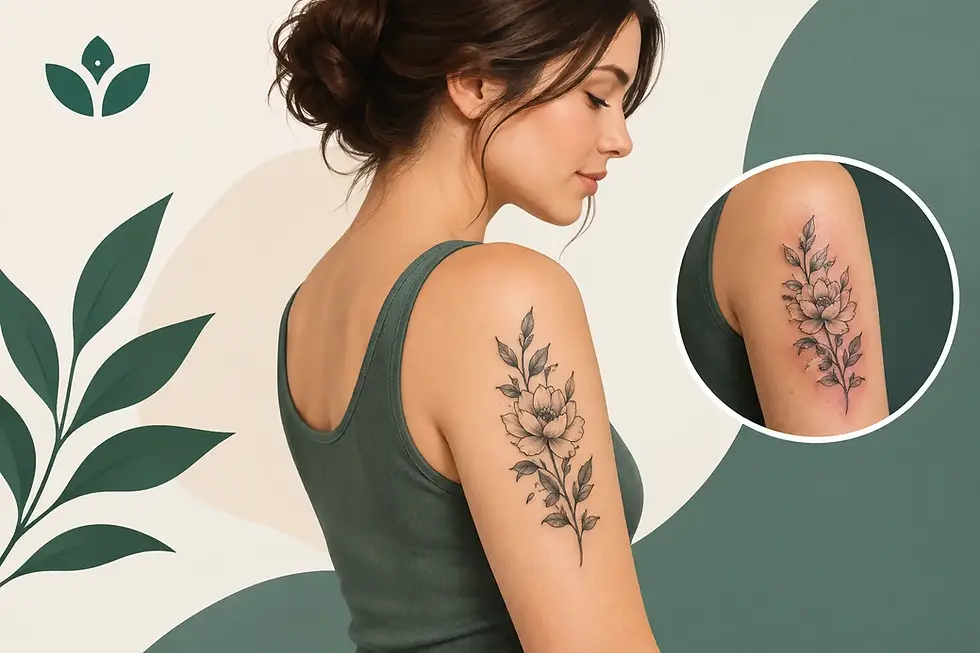
That last part matters. A drawing can look great on paper and still make a bad tattoo. Fine details may blur over time. A design that works on a flat image may not fit the curve of a forearm, shoulder, or calf. A custom tattoo artist is not just making art. They are building art for skin.
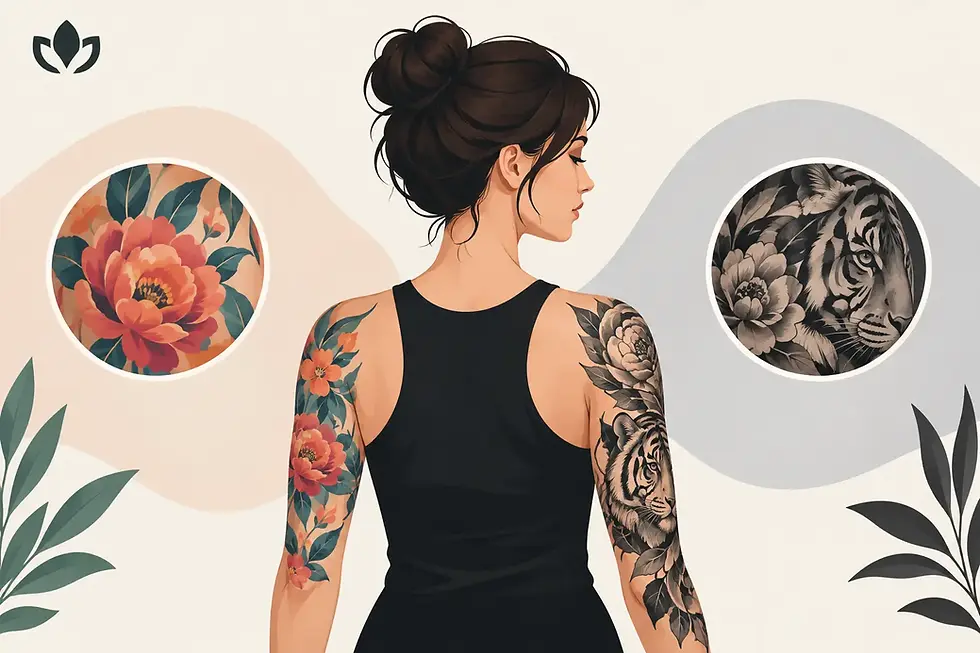
That is why experienced clients often choose artists by style first, then pitch the idea second. If you love black and gray realism, bold illustrative work, fine line pieces, or large-scale custom sleeves, you want an artist whose portfolio already proves they can handle that lane.
How the custom tattoo process usually works
Most custom tattoos begin with a consultation. Sometimes that happens in person, sometimes through an inquiry form, and sometimes with a short call before booking. The goal is simple: figure out what you want, where it is going, how big it should be, and whether the artist is the right fit.
At that stage, you do not need to arrive with a perfect sketch. In fact, many clients are better off bringing a clear idea than an overly rigid drawing. A strong artist can take your concept and improve it. If you come in attached to every line of a homemade design, you may end up fighting the person you hired for their creative judgment.
After the consultation, the artist usually takes a deposit and begins designing. Some show the final artwork before the appointment. Others reveal it the day of the session and make small adjustments then. Both approaches are normal. Policies vary because every artist manages time and creative process differently.
On tattoo day, placement and fit often get refined again. A good custom piece should sit naturally on the body. That may mean the stencil gets resized or shifted slightly to improve flow.
Why artists prefer custom work
Custom tattoos let artists do their best work. When they are not boxed into copying someone else’s image, they can build something that fits their strengths and your goals at the same time.
That usually leads to better outcomes. The line work feels more intentional. The composition has breathing room. The design works with muscle and movement instead of fighting it. The tattoo ages better because it was planned with real tattooing in mind.
Custom work also creates a stronger connection between client and artist. A tattoo is personal. The best pieces often come from a real exchange of ideas, not a quick point-and-pick transaction. That is one reason artist-led studios stand out. You are not just buying time in a chair. You are working with someone whose job is to translate vision into something lasting.
When a tattoo may not be fully custom
There are plenty of cases where a tattoo is not entirely custom, and that is not automatically a problem. Flash tattoos, repeatable shop designs, lettering, classic symbols, and simple walk-in pieces all have their place. Not every tattoo has to be a deeply developed original composition.
The key is knowing what you want. If you are after a small, straightforward design, a fully custom process may be more than you need. If you want a memorial piece, a sleeve, a cover-up, or something tied to your identity, custom planning becomes much more important.
Cover-ups especially need custom thinking. You are not just designing a new tattoo. You are designing around shape, density, old pigment, and visual distraction. That takes experience, honesty, and smart design choices.
How to tell if an artist really does custom tattoos well
The portfolio tells the story. Look for consistency, healed results when available, clean composition, and work that feels designed for the body rather than pasted onto it. If every piece looks identical regardless of placement or client, that can be a sign the work is formula-driven.
You also want to see style range or style specialization that matches your goals. Some artists are versatile across multiple looks. Others stay in a tighter lane and execute it at a high level. Neither approach is wrong. What matters is alignment.
Communication matters too. A strong custom artist asks smart questions. They want to know size, placement, inspiration, and what you do or do not want included. They will also tell you when an idea needs to be simplified, enlarged, or reworked. That is not pushback for the sake of ego. That is part of the job.
At a studio like Skinwalker Studio, custom work is built around exactly that kind of collaboration - bringing your idea in, then shaping it with an artist whose strengths match the piece.
What to bring to a custom tattoo consultation
Come in with direction, not chaos. Reference images help, but they should show mood, style, subject matter, or composition preferences rather than a demand to copy one exact tattoo. It also helps to know your preferred placement, approximate size, and whether you want color, black and gray, or something bolder.
If the tattoo has personal meaning, explain that clearly. You do not need to give your life story unless you want to, but context helps. A good artist can often pull stronger visual ideas from a few honest details than from a folder full of random images.
Be open to edits. Sometimes your favorite element from a reference will not work at the size you want. Sometimes a different placement will make the tattoo look far better. Custom work is a collaboration, not a test where the artist must reproduce your exact draft.
Are custom tattoos more expensive?
Usually, yes. Custom tattoos often cost more because they include design time, consultation, revisions, and a higher level of planning. You are paying for artwork and execution, not just the session itself.
But “more expensive” does not always mean overpriced. A custom tattoo that fits well, heals well, and still looks strong years later has value beyond the day you get it. Price also depends on size, detail, placement, artist demand, and how many sessions the piece requires.
If budget is part of the decision, be direct about it. A good studio can often suggest ways to scale a concept responsibly, whether that means adjusting size, simplifying detail, or planning the work in stages.
The best custom tattoos start with the right artist
So, do tattoo artists do custom tattoos? Yes - many of the best ones build their reputations on them. The better question is whether the artist you are considering does the kind of custom work you actually want.
That is where research pays off. Look at portfolios. Think about style. Be honest about your budget and your expectations. Bring an idea worth building, then trust the artist to shape it into something that belongs on your skin.
The strongest tattoos do more than fill space. They carry intention, fit the body, and feel unmistakably personal long after the appointment ends.
Comments