


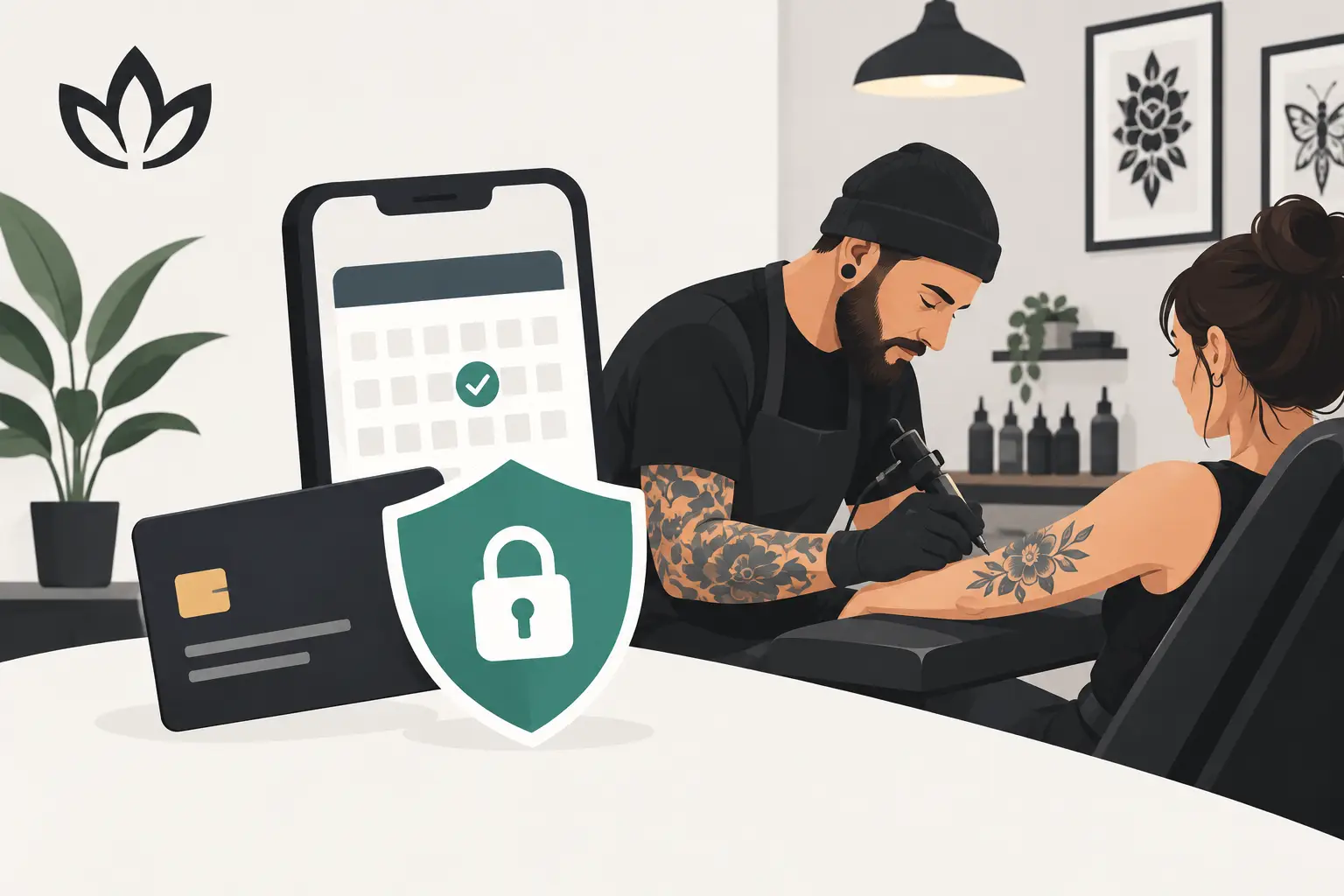
How Tattoo Session Deposits Protect Your Appointment

A tattoo appointment is more than a time slot in a calendar. Before the needle touches skin, your artist may be reviewing references, shaping a composition for the body, refining details, and preparing a clean, private workspace. Tattoo session deposits help protect that work while giving both you and your artist a clear commitment to the process.
For a custom tattoo, the deposit is part of planning with purpose. It reserves time with the artist, supports the creative preparation behind your piece, and helps ensure the day is dedicated to bringing your vision to life. Whether this is your first tattoo or the next piece in a growing collection, understanding how deposits work makes booking feel far more straightforward.
What Tattoo Session Deposits Actually Cover
A deposit is a payment made in advance to secure your appointment. In many professional studios, it is applied toward the final cost of the tattoo, provided you follow the studio’s scheduling and rescheduling policy. The specific amount can depend on the artist, the scale of the project, the length of the session, and how much custom design preparation is involved.
It is not simply a charge for holding a chair. A custom piece can require serious work before your session begins. Your artist may spend time interpreting your idea, choosing the right placement and flow, creating original linework, researching visual references, or adjusting a design to complement existing tattoos. That preparation is part of the craft, even though it happens before you arrive.
A deposit also protects a limited appointment time. If a client cancels at the last minute or does not show up, the artist may not be able to fill that time with another appointment. Deposits create a fair standard: the studio commits professional time and skill to your project, and you commit to being there as scheduled.
Why Deposits Matter for Custom Tattoo Work
Custom tattooing is collaborative, but it is not a retail transaction where you select a finished item from a shelf. You bring the memory, subject, style preference, or visual direction. The artist brings years of drawing knowledge, tattoo experience, technical judgment, and an understanding of how art will heal on skin.
That collaboration works best when there is mutual respect for the process. A deposit signals that you are ready to move forward, not merely collecting sketches from several artists with no intention of booking. It gives your artist the confidence to begin investing focused attention in the piece.
This matters especially for detailed designs, black-and-gray work, cover-ups, sleeves, and tattoos that need thoughtful placement. A design that looks excellent on paper may need to be adjusted for muscle shape, natural movement, available space, or the longevity of small details. Experienced artists make those calls because the goal is not just a strong stencil on appointment day. The goal is artwork that continues to read clearly and feel right on your body over time.
At Skinwalker Studio, custom work is built around listening to the client’s idea and translating it into a tattoo with individual meaning. A deposit helps create the space for that level of attention rather than treating the appointment as a rushed, interchangeable service.
Deposits, Consultations, and Design Changes
A consultation is where a broad idea starts becoming a tattoo plan. You might arrive with a saved image, a rough concept, a meaningful date, or no more than a feeling you want the piece to carry. All of that can be useful. Your artist will likely ask questions about size, placement, style, color or black-and-gray preference, budget, and whether the tattoo connects to existing work.
A deposit allows the artist to take the next step after that conversation. Still, it helps to understand that the design process is not always a one-time handoff. Changes are normal when they improve the tattoo. A slight shift in placement can make a design flow better. Simplifying a small element may make it heal more cleanly. Enlarging part of a composition may preserve the detail that first drew you to the idea.
The key is to communicate early. If your concept has changed dramatically since booking, let the studio know before the appointment. Turning a small floral design into a full forearm scene, for example, may require more drawing time and a different session length. Your artist can guide you toward a realistic plan, but they need enough notice to do it well.
What to Ask Before Paying a Deposit
Every studio has its own policy, so never rely on assumptions from a friend’s appointment or a video you watched online. Ask directly how the deposit is handled before you send payment. Clear answers prevent frustration later.
You should know whether the deposit is applied to the final tattoo price, how much notice is required to reschedule, and what happens if you cancel. It is also reasonable to ask whether a deposit can transfer to a new date, another session in the same project, or a revised design. Policies may differ for short appointments, large multi-session tattoos, guest artists, and private-session bookings.
Ask how to prepare as well. Confirm the date, arrival time, expected session length, accepted payment methods, and any instructions related to the placement area. If you have medical concerns, skin sensitivities, or questions about healing around work, travel, or an upcoming event, bring those up before the appointment rather than on the day of the tattoo.
Professional studios welcome practical questions. You are making a permanent choice, and you deserve a clear understanding of the process.
How to Protect Your Deposit and Your Appointment
Once your appointment is on the books, treat it like a commitment you have made to yourself as much as to the artist. Save the date in more than one place. Arrange transportation if needed. Avoid scheduling your tattoo immediately before a demanding shift, a long trip, a beach weekend, or an event where you will not be able to follow proper aftercare.
If something unavoidable comes up, contact the studio as soon as you know. Early communication is often the difference between a simple reschedule and a lost deposit. Artists understand that emergencies happen. What creates problems is silence, late notice, or arriving unprepared for a session that another client could have used.
Show up rested, hydrated, and ready to sit. Eat a balanced meal beforehand unless your artist gives you different guidance. Wear clothing that allows easy access to the placement area without making you uncomfortable. Bring reference images if they help explain your direction, but stay open to the artist’s recommendations. Their role is not to copy an image exactly. It is to create a tattoo that fits you and holds up as tattoo art.
For larger projects, think beyond the first session. A sleeve, back piece, or ongoing collection may require several appointments spaced around healing and your schedule. Deposits for future sessions can help you maintain momentum and reserve time with the same artist, which is especially valuable when consistency in style and planning matters.
A Deposit Is a Commitment to the Work
The right tattoo can mark a person, a relationship, a place, a turning point, or simply an image that feels unmistakably yours. That kind of work deserves more than a casual booking process. Tattoo session deposits make room for preparation, protect an artist’s time, and help clients arrive ready for an experience built around care and craftsmanship.
Bring your idea, ask the questions that help you feel confident, and give the process the time it needs. The result should feel less like an appointment you squeezed into your week and more like a piece of art you chose with intention.


Comments