

Tattoo Rework That Gives Old Ink a New Life

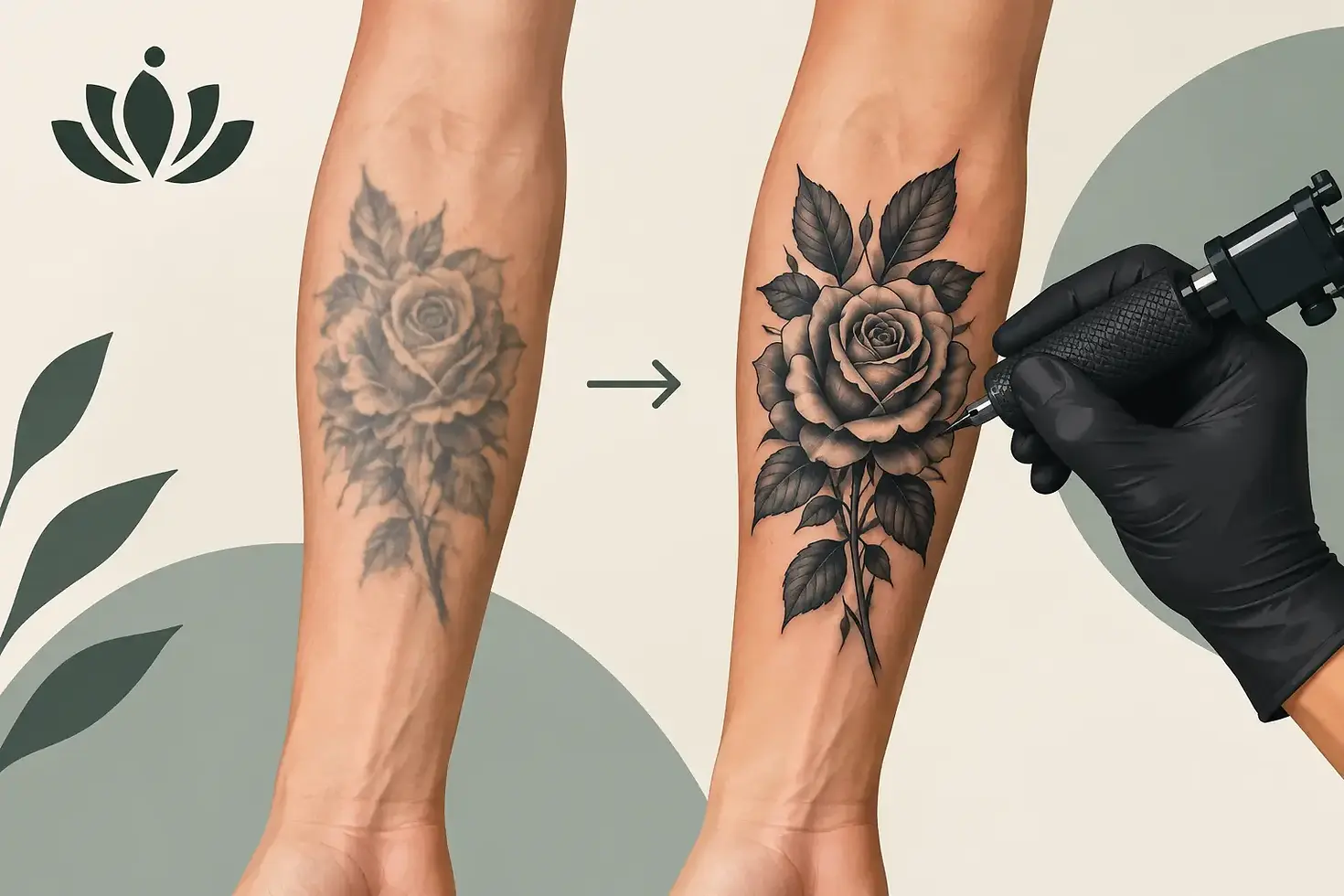
A tattoo can carry a lot of history, even when you no longer love the way it looks. Maybe the lines have spread, the color has faded, the design no longer fits who you are, or an earlier artist did not give the piece the finish it deserved. Tattoo rework is not about pretending an old tattoo never existed. It is about making an honest assessment of what is there and using thoughtful design, placement, and technical skill to create something you can feel proud to wear.
The best reworks begin with a clear goal. Some tattoos need a refresh. Others need a redesign that incorporates existing lines and shapes. Still others are better handled as a full cover-up. Those are different projects, and understanding the difference helps set realistic expectations before a needle ever touches skin.
What Tattoo Rework Can Actually Do
Tattoo rework means improving or transforming an existing tattoo. Depending on the age, size, color, condition, and location of the original piece, an artist may sharpen faded details, rebuild weak linework, add depth through shading, introduce new elements, or use a larger custom composition to redirect attention away from the old design.
A successful rework does not always mean making the previous tattoo invisible. Skin has already received pigment, and that pigment remains part of the design equation. Instead, a skilled artist works with contrast, flow, texture, and visual weight to make the final piece feel intentional. What once looked like a disconnected or dated tattoo can become the foundation for a stronger custom design.
This is where artist experience matters. Reworking existing ink takes more than drawing a great image on paper. The artist has to read the tattoo already in the skin, understand how it has healed and changed, and plan a composition that will hold up over time.
Refresh, Redesign, or Cover-Up?
These terms are often used interchangeably, but they describe different levels of change.
A refresh preserves the original idea
A refresh works well when you still like the tattoo's concept but its execution has softened with time. Faded black-and-gray work may benefit from deeper shading and renewed contrast. A color tattoo may need selective saturation. Thin lines that have become uneven may be reinforced where it makes sense.
A refresh is usually the most conservative option because it respects the original structure. It can make an older tattoo look cleaner and more complete, but it cannot always correct major drawing problems or erase a design you have outgrown.
A redesign builds on what is already there
Redesigns give the artist more creative room. The existing tattoo may become one portion of a larger scene, be framed by botanical work, incorporated into an animal portrait, or blended into an ornamental, illustrative, or black-and-gray composition.
This approach is especially useful when the original tattoo is small or visually isolated. Rather than fighting every old line, the new design uses surrounding elements to improve balance and direct the eye toward the new artwork. The final tattoo can feel completely different without requiring the old tattoo to disappear entirely.
A cover-up changes the focal point
A cover-up is designed to conceal most or all of the existing tattoo. It generally requires a larger design with strategic dark areas, texture, and movement. Cover-ups are not simply a matter of placing a new picture over an old one. Light ink does not reliably hide dark ink, and a tiny design cannot cover a large, heavily saturated tattoo.
The strongest cover-ups use the natural strengths of a subject. Florals can provide layers and shadows. Animals can use fur, feathers, scales, and deep contrast. Black-and-gray pieces can create visual depth without relying on flat blocks of black. The right solution depends on the old tattoo and the style you genuinely want to wear.
What Makes a Rework More Challenging
Every existing tattoo has its own limitations. Dark, dense pigment is harder to redirect than faded gray linework. Large designs require larger compositions. Tattoos in areas with thin skin, frequent friction, or a lot of sun exposure may have changed more dramatically than tattoos in protected locations.
Color is another factor. A bright old color may still show through a new layer, particularly if the proposed cover-up is too light. In some cases, laser fading before tattooing can expand the range of design options. Laser does not always have to remove a tattoo completely. Even a few fading sessions may reduce the density enough for an artist to create a more refined cover-up.
There is also a trade-off between coverage and subtlety. A client may want an old tattoo gone while also wanting a delicate, very small, lightly shaded replacement. Those goals may conflict. A good consultation makes room for that conversation early, before you commit to a concept that cannot perform the job.
Start With the Right Reference Photos
For a tattoo rework consultation, clear photos are more useful than heavily filtered inspiration images. Take a photo straight on in natural light, then include a wider shot that shows the tattoo in relation to the body part. If the piece wraps around an arm, leg, or shoulder, photos from more than one angle help the artist understand its true shape.
Bring inspiration for the direction you want to go, too. Focus less on finding one image to copy and more on showing the mood, subject matter, contrast level, and style that resonate with your individuality. It helps to explain what you dislike about the current tattoo. Is it the subject, the placement, the color, the proportions, or the quality of the linework? That information guides better decisions.
Be open about the tattoo's history. Let the artist know approximately how old it is, whether it has been touched up before, whether it was professionally applied, and whether you have had laser treatments. None of this is a judgment. It is practical information for building a design that heals well and lasts.
How a Skilled Artist Plans the Design
The consultation is where possibility becomes a real plan. An experienced artist will look at the original ink, the skin condition, the placement, and the amount of space available. They will also ask about your preferred style, pain tolerance, budget, and willingness to expand the design beyond the original tattoo.
From there, the artist may recommend changing the scale, shifting the focal point, or choosing a subject that naturally accommodates the old shapes. A curve that once belonged to a script tattoo may become part of a leaf, wing, or shadow. A dark patch may be absorbed into a background. A weak outline may disappear inside stronger texture.
The best answer is not always the answer a client expects on day one. Sometimes the right move is a cover-up. Sometimes it is a thoughtful addition that turns a small tattoo into a complete sleeve or panel. And sometimes the artist may advise laser fading first because it will produce a cleaner, more durable result. Honest advice protects both the artwork and your investment.
Give the Process Enough Time
Rework tattoos often take more than one session, particularly when a design needs full coverage, detailed shading, or color packing. Healing time between sessions matters. Tattooing over irritated, damaged, or incompletely healed skin can compromise the result.
Aftercare matters just as much as it does with a new tattoo. Follow your artist's instructions, avoid picking or scratching, protect the healing tattoo from sun and soaking, and give it time to settle. Once fully healed, regular sunscreen is one of the simplest ways to preserve contrast and keep the work looking sharper for longer.
Price can vary widely because rework is custom problem-solving. The time involved is based on the size and complexity of both the old tattoo and the new design, not just the finished image you hope to see. A consultation provides the clearest path to an accurate estimate and a realistic session plan.
Choose a Rework You Will Want for Years
The goal is not merely to hide a mistake. It is to replace frustration with artwork that feels like yours. That may mean honoring part of the original tattoo, or it may mean moving in a completely new direction. Either choice can be successful when the design is built around your body, your taste, and what the existing ink can realistically support.
At Skinwalker Studio, a custom consultation gives you room to talk through those options with artists who understand both creative design and the technical demands of tattoo rework. Bring the tattoo you have, the vision you want, and an open mind about the path between them. The right plan can turn old ink into a piece that finally feels worth keeping.


Comments