


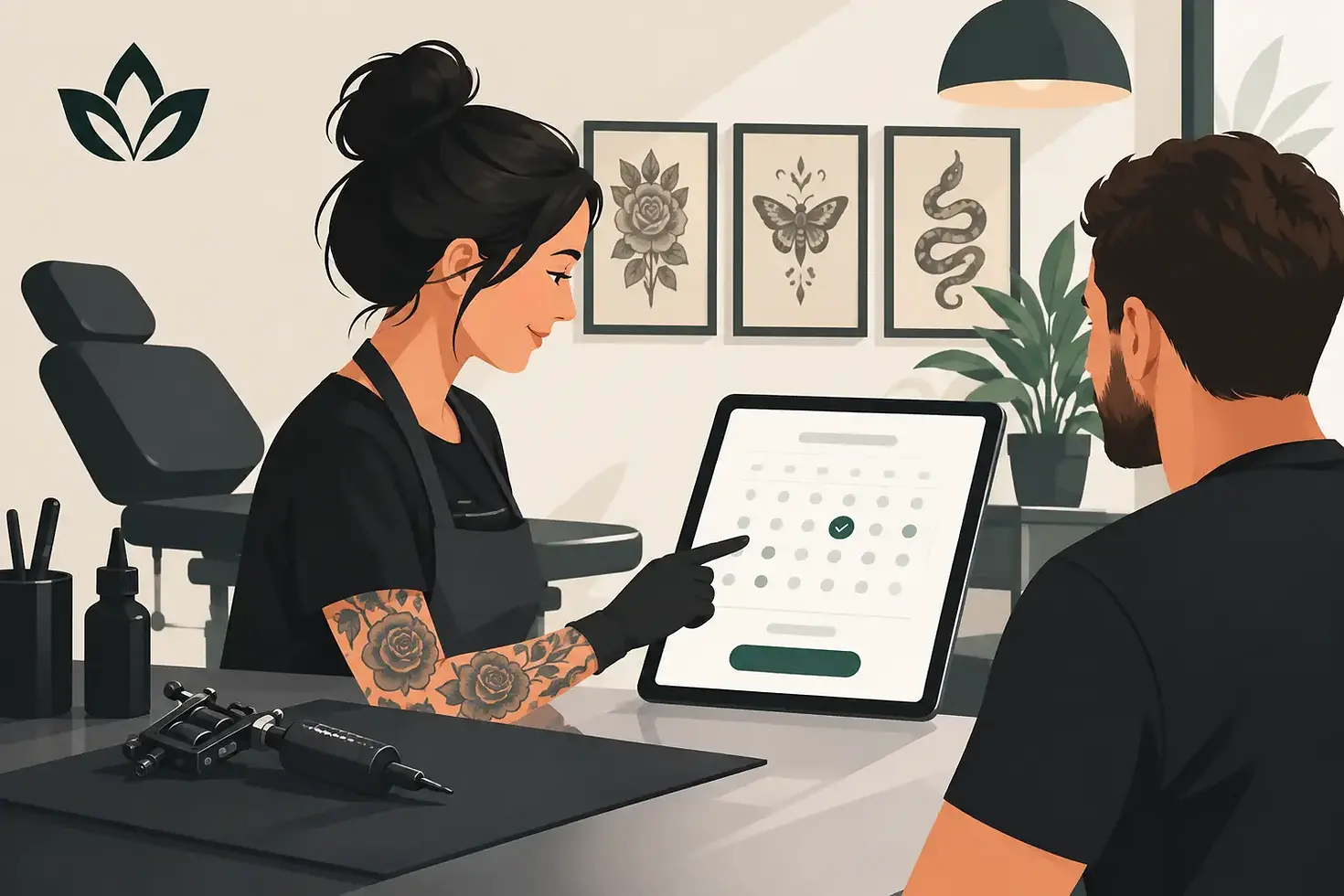
Tattoo Session Scheduling for Custom Work

A great tattoo appointment should feel intentional long before the machine turns on. Tattoo session scheduling is where your idea, your artist’s process, the placement, and your real-life calendar start working together. Whether you are planning a first tattoo or adding a major piece to an existing collection, the right schedule gives the artwork the time and care it deserves.
Custom tattooing is not a quick transaction. It is a collaboration between you and an artist who is translating a personal story, visual reference, or creative direction into something built specifically for your body. A thoughtful plan helps protect that collaboration from rushed decisions, missed healing time, and avoidable stress.
Start With the Scope of the Tattoo
The best way to plan an appointment is to be honest about the size, detail, and style of the piece. A small, clean design may fit comfortably into one session. A detailed black-and-gray portrait, a large-scale color piece, a sleeve, or a design that wraps around a limb may need several appointments spaced over weeks or months.
Placement matters just as much. The outer forearm and upper arm often allow artists to work efficiently, while ribs, feet, hands, sternum, elbows, knees, and other high-movement or sensitive areas can require more breaks. Skin texture, old scars, existing tattoos, and the amount of coverage involved also affect the pace.
Your artist can give the most useful time estimate after reviewing the concept and seeing the intended placement. Reference photos are helpful for showing mood, subject matter, and style, but they are not a blueprint to copy. Bring a few strong references and explain what draws you to them. That gives the artist room to create original work that resonates with your individuality.
One Appointment or Multiple Sessions?
A single-session tattoo can be a good fit when the design is relatively contained and the detail level is manageable. Even then, it is wise to leave room in your day. Arriving calm, hydrated, and fed makes a difference, especially for longer work.
Multi-session work is often the better choice for ambitious custom designs. It lets the artist keep linework, shading, color saturation, and composition at a high level without pushing your skin past its limits. It also gives you time to heal between appointments, see how the piece settles, and continue with a clear plan.
There is a trade-off. Spreading work across sessions requires more calendar commitment, but trying to force a large, detailed tattoo into one overly long day can compromise comfort and healing. The goal is not to finish fastest. The goal is to create work you will be proud to wear for years.
Plan the Consultation Before You Plan the Calendar
For custom work, the consultation is part of the tattoo session scheduling process, not an extra formality. It is the point where the artist learns what the tattoo means to you, evaluates the placement, discusses style options, and identifies the right approach for the design.
Be ready to share the essentials: the subject, approximate size, placement, black-and-gray or color preference, any existing tattoos nearby, and a realistic budget range. If the tattoo marks a person, memorial, milestone, or cultural idea, explain the meaning. Those details can shape a stronger design than a simple image search ever could.
This is also the right time to discuss artist fit. Different artists bring different strengths to the table, from fine detail and black-and-gray realism to bold custom concepts and multi-style work. Look at portfolios for healed work, consistency, line quality, composition, and designs that feel close to your vision. A good match is not only about liking one image. It is about trusting the artist’s eye across a body of work.
At Skinwalker Studio, consultations and appointment planning are designed to give custom ideas a clear direction before the tattoo day arrives. That level of preparation is especially valuable when the design has personal meaning or requires multiple sessions.
Choose Dates That Support Healing
Your calendar outside the studio matters. Fresh tattoos need clean, consistent aftercare and time away from activities that can irritate healing skin. Before setting your session, look ahead at travel, pool days, beach trips, intense workouts, sports, work uniforms, and major events.
Swimming, soaking, and heavy sun exposure should not be on the immediate agenda after a tattoo. Friction can also be a problem, particularly with placement under tight clothing, equipment, or shoes. If you are getting a tattoo before a wedding, vacation, competition, or photo shoot, schedule it far enough ahead that you are not managing a fresh piece during the event.
For multi-session projects, your artist will recommend an appropriate healing window before continuing. The exact spacing depends on how your skin heals, the kind of work being done, and which area is being tattooed. Do not assume that a surface-level appearance means the skin is ready for more work. Your artist’s recommendation should set the pace.
Think About Energy, Not Just Availability
A free Saturday is not automatically the best tattoo day. Consider what your week looks like before and after the appointment. Long work shifts, poor sleep, a big night out, or a stressful deadline can make a session harder than it needs to be.
Eat a solid meal beforehand, drink water, and wear comfortable clothing that gives easy access to the placement. Avoid arriving dehydrated or hungover. Bring a snack for a longer appointment if the studio allows it, and plan for transportation if you expect to feel worn down afterward.
For clients traveling from elsewhere in Southwest Virginia, leave a cushion around your drive. You do not want traffic or a rushed arrival to set the tone for a carefully planned custom session.
Budget for the Full Project
It helps to think in terms of the complete tattoo rather than the first appointment alone. A larger piece may be built in stages, and each stage is part of the final result. Ask during the consultation how the artist typically structures work of that scale, whether sessions are estimated by time or project scope, and what deposit policies apply.
Budget planning is not about cutting corners. It is about giving yourself the freedom to choose the right artist, allow enough time, and complete the work properly. If the full project is not feasible right away, a good artist may be able to recommend a phased approach that still looks intentional at every stage. Accessible payment options, including cash, credit, and Affirm financing where available, can also help some clients plan more confidently.
Avoid changing a well-designed concept solely to squeeze it into a smaller appointment. Sometimes simplifying is the right creative decision. Other times, a larger design simply needs more time. Your artist can explain the difference and help you choose a path that respects both the artwork and your budget.
Communicate Early When Plans Change
Life happens, but tattoo appointments are reserved creative time. If you need to reschedule, contact the studio as early as possible and review the appointment policy before booking. Late cancellations can affect deposits, artist availability, and the timeline for a multi-session project.
If your health changes before the appointment, speak up. Illness, skin irritation at the tattoo site, a sunburn, certain medications, or anything that may affect healing should be discussed honestly. A professional studio would rather adjust the plan than tattoo compromised skin.
The same goes for design changes. A small clarification before your appointment may be simple to handle. A major change in subject, placement, or style can alter the drawing process and session estimate. Clear communication gives your artist the best chance to prepare something exceptional.
Leave Room for the Artist’s Process
Custom tattooing works best when you bring a strong idea without trying to control every millimeter of the result. Your artist understands how an image will fit a moving body, how details will age, where contrast needs to live, and what needs to change for the tattoo to read clearly from a normal viewing distance.
That does not mean your voice disappears. It means your vision and the artist’s technical experience meet in the right place. Ask questions, share what matters most, and be open to recommendations about scale, flow, and session pacing.
Give your tattoo a place on the calendar where you can arrive prepared, heal without rushing, and return for the next stage when your skin is ready. That patience is part of what turns a good idea into permanent artwork that still feels right years from now.


Comments