

Color Versus Blackwork: Which Tattoo Fits You?

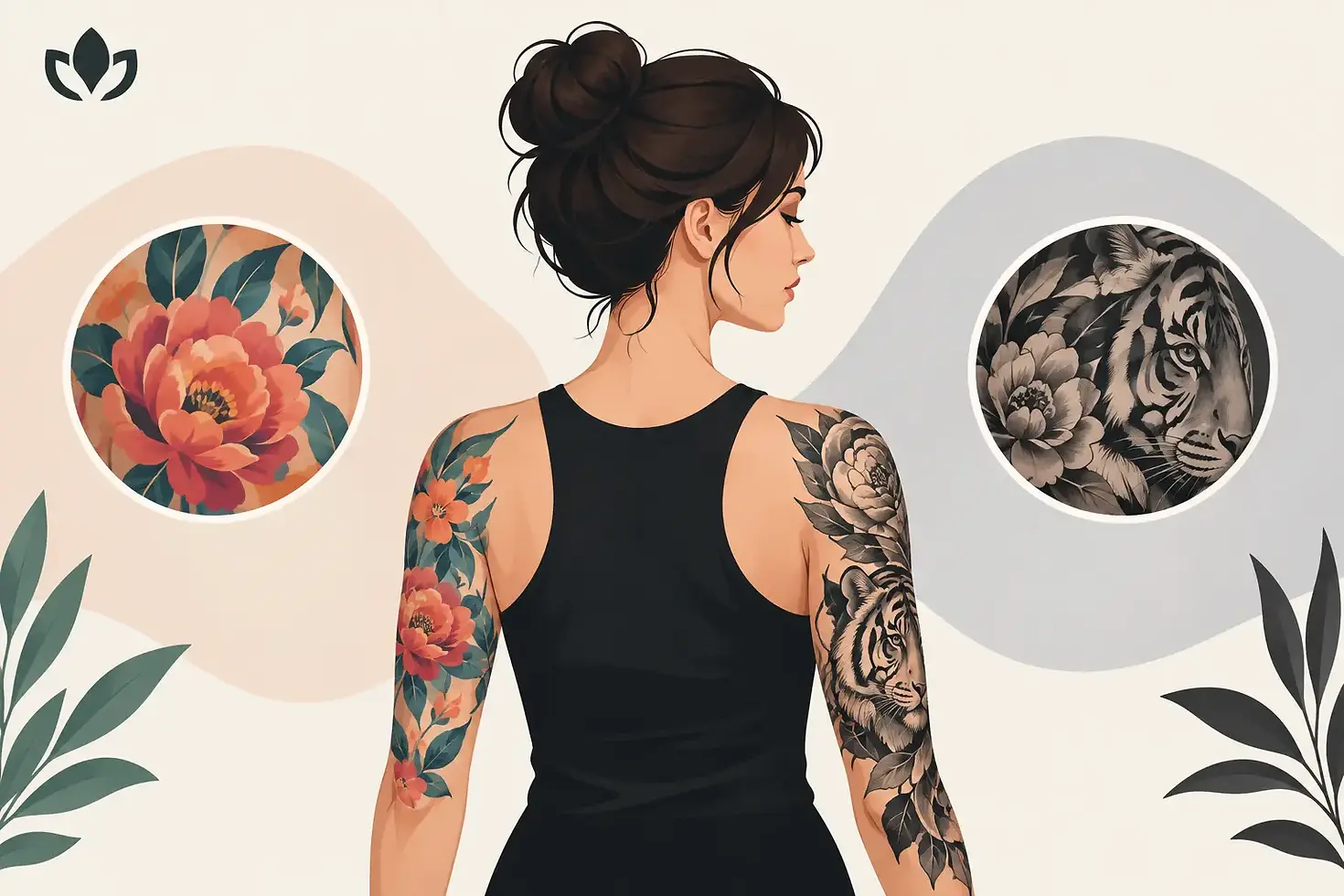
A tattoo can carry the same meaning in full color or solid black ink, but the feeling it gives off can be completely different. When weighing color versus blackwork, the strongest choice is rarely about what is popular. It is about the design you want to wear, where it will live on your body, and the visual language that feels most like you.
A bold blackwork piece can make a simple idea feel graphic, timeless, and unmistakable from across the room. Color can bring a memory, character, landscape, or custom illustration to life with warmth and movement. Both approaches can create outstanding tattoos when the concept, placement, and artist’s technique are working together.
What Blackwork Brings to a Design
Blackwork uses black ink as the foundation of the tattoo. It can mean large, solid areas of black, ornamental patterns, fine-line illustration, stippling, abstract geometry, or high-contrast imagery. It is a broad category, not one fixed look.
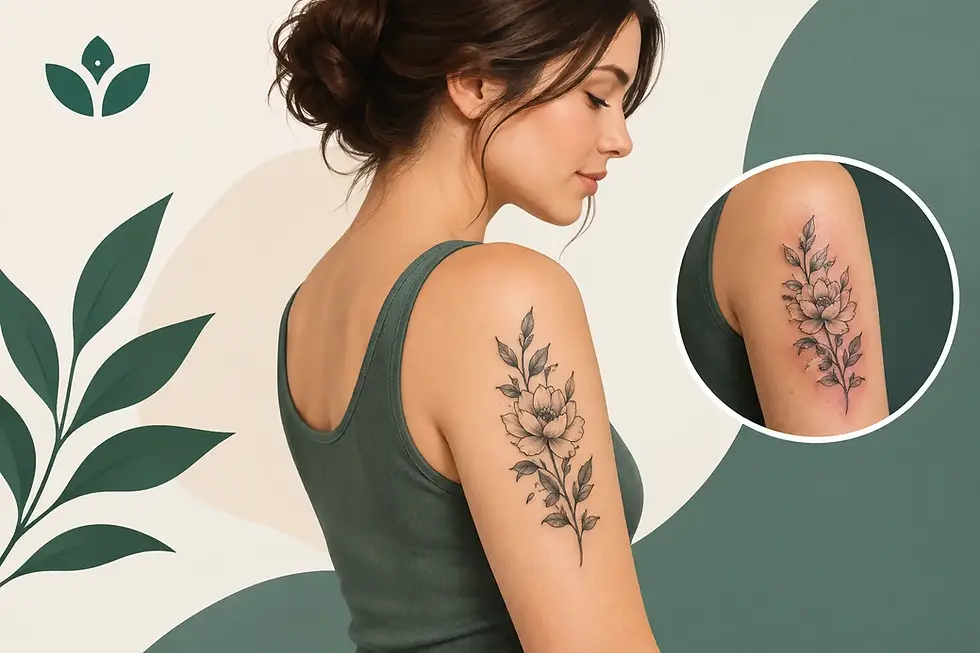
The appeal is clarity. Blackwork tends to read quickly, even from a distance, because the contrast between ink and skin is so direct. A botanical design, raven, dagger, sacred symbol, or abstract pattern can feel especially powerful when it is built around black shapes, clean negative space, and deliberate line weight.
It also gives a design room to be simple. Not every personal tattoo needs a literal portrait or a long explanation. A blackwork tattoo can turn an emotion, a life change, or a private reference into imagery that is striking without spelling everything out.
For clients who like a darker aesthetic, blackwork naturally complements black-and-gray collections. It can also work well alongside many styles, from traditional-inspired imagery to highly detailed realism. The key is planning how the new piece relates to what is already on the body. A good custom design considers the whole area, not just the empty patch of skin available that day.
The aging advantage of strong contrast
All tattoos age. Skin changes, sun exposure happens, and fine details can soften over time. Blackwork often holds visual impact well because it begins with a clear contrast structure. Strong outlines and intentional open skin can remain readable as the tattoo settles into the body.
That does not mean every black tattoo ages perfectly or that color tattoos fade away. Technique, pigment saturation, placement, aftercare, sun protection, and the amount of detail all matter. A tiny design packed with fragile lines may lose definition regardless of whether it is black or colorful. Your artist can help adjust the scale and simplify elements so the tattoo has a better future.
What Color Adds to a Custom Tattoo
Color expands the emotional range of a tattoo. A single red accent can change the energy of a black-and-gray design. Full color can make flowers feel alive, give an animal its natural markings, create a dramatic sunset, or capture the exact palette tied to a favorite place or memory.
Color is especially effective when hue is part of the idea. If your concept centers on birth flowers, an illustrated pet portrait, a fantasy character, a Virginia mountain scene at dusk, or a nostalgic pop-culture reference, color may communicate details that black ink alone cannot.
It can also create depth in a different way than shading. Cool tones may recede while warm tones come forward. Complementary colors can create visual tension. Softer palettes can feel painterly, while saturated primary colors can be loud, graphic, and playful. There is no single "color tattoo" look. The palette should be tailored to the design and to your personality.
Skin tone and color visibility
A professional consultation should include an honest conversation about how different inks will appear on your skin. Every skin tone can be tattooed beautifully, but colors do not show the same way on every person. Some shades may appear more muted, while others can offer stronger contrast and visibility.
This is not a reason to limit your idea. It is a reason to design it thoughtfully. An experienced artist can recommend colors, outlines, values, and placement choices that help the tattoo read clearly on your skin. Sometimes the best answer is a brighter palette. Other times, a deeper jewel-tone approach or bold black framework creates the effect you want.
Photos on a screen are useful inspiration, but they are not a promise of how a tattoo will look on your body. Bring references to show mood, subject matter, and color direction, then leave room for your artist to create a design that works in real skin.
Color Versus Blackwork: Start With the Image
Rather than asking which style is better, start with what your tattoo needs to say visually. Certain subjects naturally lean in one direction, but there are no hard rules.
A blackwork approach may be the right fit when you want a bold symbol, high contrast, abstract patterning, ornamental flow, or artwork that pairs easily with an existing black-and-gray collection. It can be a strong choice for a first tattoo because the visual goal is often direct and readable.
Color may make more sense when your idea depends on recognizable hues, atmospheric lighting, playful energy, or layered visual storytelling. It gives you more information to work with, but it also asks for more design discipline. Adding every color you like can weaken an image. A controlled palette usually creates a stronger tattoo than a design that tries to do everything at once.
The most compelling answer is sometimes both. Black linework and shading can provide structure, while carefully chosen color becomes the focal point. Think of black as the frame and color as the moment that pulls the eye. A rose with red petals, a snake with one electric accent, or a black-and-gray landscape with a subtle sunset can feel intentional without becoming overwhelming.
Placement Changes the Decision
Where a tattoo goes can influence whether color or blackwork will serve it best. Areas that receive frequent sun exposure, such as forearms, hands, shoulders, and lower legs, demand a realistic conversation about protection and maintenance. Sunscreen and consistent care help preserve any tattoo, especially one with lighter or brighter colors.
Size matters just as much. Large areas such as the thigh, calf, back, chest, or upper arm offer room for color blends, texture, and detailed scenes. Smaller placements may benefit from bolder choices and fewer elements. That could mean compact blackwork, a limited color palette, or a simplified version of the original concept.
Movement matters, too. A design wrapping an arm, following the shoulder, or fitting the curve of a calf should be drawn for that location. Copying a flat image onto a moving body part is not custom tattooing. The artwork should support the body’s natural flow.
Think Beyond the First Appointment
If you plan to collect tattoos over time, consider the broader direction now. You do not have to commit to one style forever. A body suit can include color, blackwork, black-and-gray, and illustrative pieces when there is thoughtful spacing and a clear sense of composition.
Still, it helps to know what you are building toward. If you picture a cohesive sleeve in the future, tell your artist before placing a small standalone tattoo in the center of that space. If you already have colorful work and want to add blackwork, an artist can plan transitions that make the collection feel deliberate instead of disconnected.
Budget and session planning belong in this conversation as well. Larger color projects and highly detailed blackwork can both require multiple sessions. The right choice is not the one that gets rushed into a single appointment. It is the one that gives the design enough time, scale, and attention to be done well.
Bring a Direction, Not a Finished Blueprint
Reference images are valuable, but your artist does not need a locked-in collage of other people’s tattoos. The most useful consultation details are the story behind the piece, the imagery you connect with, your preferred mood, the body placement, and whether you are drawn to color, blackwork, or a mix of both.
At Skinwalker Studio, the custom process is built around turning that direction into artwork that resonates with your individuality. Our artists can talk through contrast, palette, sizing, detail level, and how your tattoo may fit with future work, so you can make the choice with confidence.
The right tattoo does not need to win an argument between color and black ink. It needs to feel true to your idea every time you look at it.


Comments