


What Healed Tattoo Examples Should Show You

Fresh tattoos get the spotlight. The skin is clean, the contrast is high, and every detail looks sharp under studio lighting. Healed tattoo examples tell the more useful story: how an artist’s linework, shading, color choices, and design decisions perform after the skin has done its work.
For anyone planning a custom tattoo in Roanoke or Southwest Virginia, healed work is one of the best things to look for in an artist’s portfolio. It shows more than a strong first impression. It gives you a clearer sense of craftsmanship, thoughtful placement, and the kind of result you may be wearing for years.
What a Healed Tattoo Actually Means
A tattoo is usually considered healed on the surface after several weeks, once peeling, flaking, and visible irritation have passed. That does not mean the tattoo has stopped settling. The deeper layers of skin continue to recover, and the final look can become more apparent over the following months.
A healed tattoo should look integrated with the skin rather than sitting on top of it. Lines may soften slightly from their fresh appearance. Shading becomes less dramatic as redness fades. Color often settles into a more natural, even version of what you saw on appointment day.
That softening is normal. A quality tattoo is not judged by whether it looks exactly like a fresh photo forever. It is judged by whether the design still reads clearly, the lines remain intentional, the values hold together, and the artwork feels balanced on the body.
What to Look for in Healed Tattoo Examples
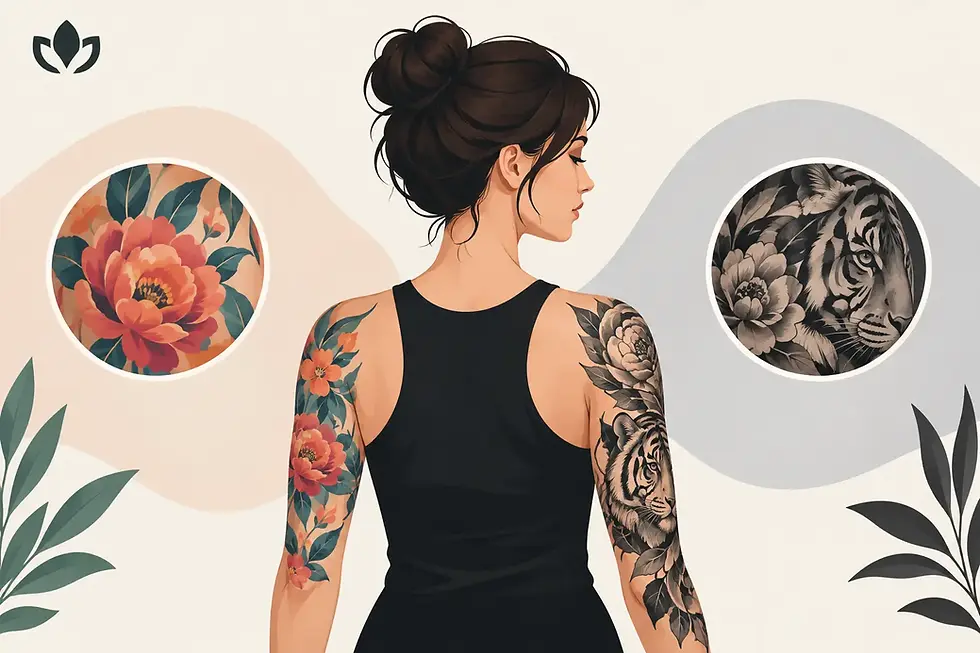
When you review a portfolio, do not only ask whether you like the subject matter. Look closely at the technical choices behind it. A large black-and-gray piece, a fine-line floral design, and a saturated color tattoo each heal differently, but strong work shares a few recognizable qualities.
Clean lines that still read clearly
Lines should look deliberate, with consistent weight where consistency is needed. They do not have to be mechanically identical - custom tattooing is made by hand, and certain styles call for expressive or textured linework. What matters is whether the line supports the image rather than distracting from it.
In healed work, watch for lines that have spread into each other, especially in small lettering, tiny faces, dense geometric patterns, or highly detailed designs. Some amount of softening is expected over time, but a skilled artist plans for it by giving details enough breathing room.
Smooth shading with a clear value structure
Good black-and-gray shading should still show depth after healing. The light areas should provide relief, midtones should create form, and darker areas should anchor the design. If every part of a tattoo is equally dark, details can become difficult to read once it settles.
Healed examples are especially helpful for portraits, realism, animals, and large illustrative work. You can see whether the artist understands contrast well enough to keep the focal point visible from a normal viewing distance, not only in a close-up fresh photo.
Color that stays intentional
A healed color tattoo may not look as glossy or intensely bright as it did on day one. That is expected. What you want to see is color that remains even and purposeful, with clean boundaries between neighboring tones.
Skin tone, sun exposure, placement, ink selection, and aftercare all affect color retention. A professional artist can explain how a specific palette may heal on your skin and suggest adjustments that protect the design’s long-term readability. Sometimes that means choosing bolder contrast over a subtle color transition. It depends on the design and where it will live.
Details that suit the size and placement
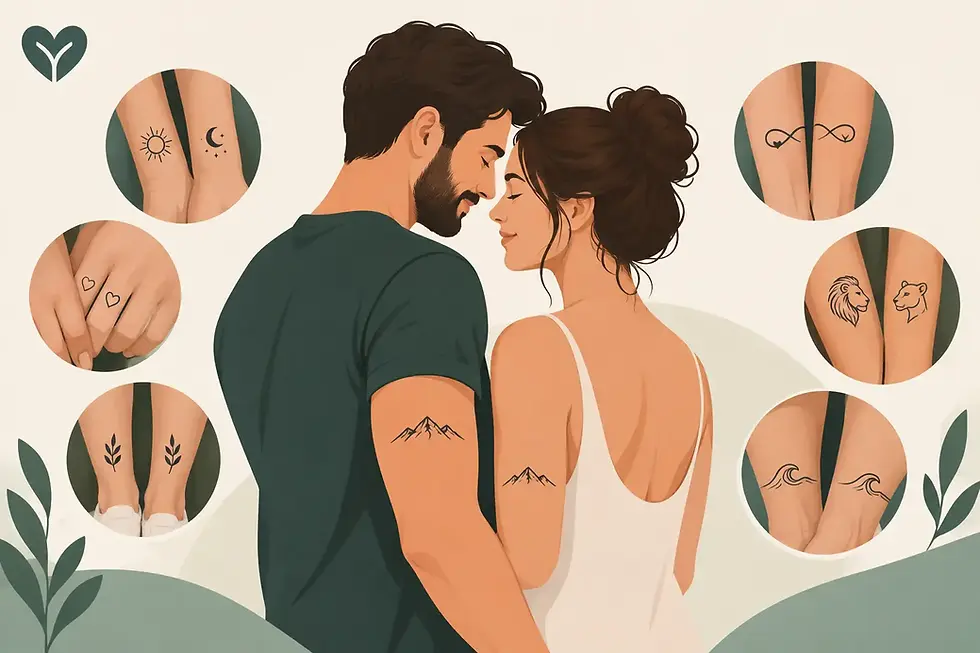
The best healed tattoos respect the limits of the canvas. A design that looks beautiful at six inches may not translate cleanly at two inches. Fingers, wrists, feet, elbows, knees, ribs, and areas that receive frequent friction each bring their own challenges.
This is where custom design matters. Instead of simply shrinking a reference image, an experienced artist can simplify, redraw, or reposition elements so the tattoo has room to age well. That might mean making lettering larger, reducing background texture, increasing the contrast in a small animal portrait, or allowing more open skin around fine details.
Fresh Photos Are Not Enough
Fresh work deserves to be celebrated. It captures the full intensity of the tattoo and the energy of a finished session. But a fresh tattoo also has advantages that can hide problems: temporary redness can make lines appear crisper, ointment can deepen contrast, and swelling can change how the design sits on the body.
A portfolio with both fresh and healed tattoos shows confidence. It demonstrates that an artist is thinking beyond the appointment and considering how their work will settle with real skin and real life.
When comparing artists, look for healed work that resembles the style you want. If you want fine-line botanical work, healed examples in that style are more relevant than a healed traditional tattoo. If you are planning a large black-and-gray sleeve, seek out healed sleeves, not just one small healed script piece. Style-specific experience is meaningful because every approach requires different decisions about line weight, saturation, contrast, and spacing.
Healing Quality Is a Shared Responsibility
Even excellent tattooing needs proper aftercare. The artist controls the application, design, placement guidance, and technical execution. The client controls much of what happens during healing: keeping the tattoo clean, following the care instructions provided, avoiding picking and scratching, and protecting it from sun and unnecessary soaking.
Healing is not identical for everyone. Your skin, immune response, work environment, exercise routine, medications, and the location of the tattoo can all affect the process. A tattoo on the hand may need more attention than one on the upper arm because it is washed, bumped, and exposed more often. A piece near a joint can experience added movement and friction.
That is why a professional consultation should include an honest conversation about placement and lifestyle. If you work outdoors, a high-exposure area may require a different plan than a placement normally covered by clothing. If you need a design to remain discreet at work, your artist can help balance visibility with the space needed for the artwork to hold up.
Questions Worth Asking During a Consultation
A strong portfolio starts the conversation, but it should not end it. Bring reference images that show the feeling, subject, or visual direction you are drawn to, then ask how that idea can be adapted for your body.
You can ask to see healed examples in the artist’s preferred style, how they would adjust your concept for the size you want, and whether your selected placement changes the recommendation. It is also reasonable to ask what aftercare they recommend and what normal healing looks like in the first few weeks.
The most useful answer may not always be the answer you expected. An artist may recommend increasing the size, simplifying a few details, changing the angle, or choosing a slightly different placement. That is not a compromise on your vision. Often, it is how your vision becomes a tattoo that will continue to feel clear and personal after the fresh shine has faded.
A Healed Tattoo Should Still Feel Like You
The goal is not to chase an unrealistic promise that a tattoo will never change. Skin changes. Bodies move. Sunlight, time, and daily life leave their mark. Great tattooing accounts for those realities from the beginning.
At Skinwalker Studio, our artists approach custom work as a collaboration: your story and visual direction, shaped by experienced hands and practical design choices. Bring the ideas that matter to you, ask to see work that has healed, and give your artist room to create a design with the strength to stay recognizable long after the appointment day.

Comments